
Family Reunion Planning Tips Comparison
📖 Table of Contents
Last summer, I hosted my family's 20-year reunion at my parents' lakeside cabin. I spent months planning, only to realize that the most memorable moments weren't the ones I had prepared for. It was the spontaneous games on the dock, the impromptu talent show in the living room, and the laughter that echoed through the trees long after the fire pit had gone cold. Planning a family reunion is a balancing act between organization and spontaneity, and I learned the hard way that the best ones are those that feel like they're happening naturally. If you're looking for a family reunion planning tips comparison that actually works, you're in the right place.[1]
I had always imagined that the perfect family reunion would be a well-oiled machine: a timeline, a budget, and a list of tasks that would keep everything running smoothly. But what I didn't realize was that the most successful reunions are the ones that allow for flexibility. When I compared my notes from this year's reunion with the last one, I found that the ones with more open-ended planning — where we didn't overbook every minute — were the ones that generated the most joy. This article is your family reunion planning tips comparison, drawn from my own experiences and the insights of others who have walked this path before.[5]
Planning a family reunion is more than just sending out invitations and setting a date. It's about creating a space where people feel connected, whether they've been together for decades or haven't spoken in years. From the first conversation about where to host to the final cleanup after the event, every choice matters. As I've learned, the best family reunion planning tips comparison isn't about choosing the 'perfect' approach — it's about finding the one that works for your family and your budget.
Why You'll Love This Family Reunion Planning Tips Comparison
- Gain insight into the most effective strategies used by experienced planners.
- Discover how to balance budget and effort with family connection.
- Avoid common pitfalls that can ruin even the best-planned events.
- Learn how to adapt your approach to different family sizes and preferences.
Start with a Clear Vision
As of September 2026, before I hosted my first reunion, I assumed that a successful event was simply about having enough food and enough space. But after a few false starts, I realized that a clear vision was essential. When I sat down with my family and asked, 'What kind of reunion do we want to have?' the answers came flooding in. Some wanted a casual barbecue in the backyard, while others imagined a formal dinner with speeches. By aligning on a vision early, I was able to create an event that met everyone's expectations.
A clear vision doesn't have to be elaborate — it just needs to be shared. I found that the best way to get on the same page was to create a short list of key elements: location, time, and main activities. This gave everyone a sense of direction and helped prevent confusion later on. Without a shared vision, even the best-planned reunion can become chaotic and unenjoyable.
One of the most important lessons I learned was that a clear vision also helps with budgeting. When I knew we were planning a casual barbecue instead of a formal dinner, I was able to allocate funds more efficiently. We ended up saving over $300 by choosing a simpler approach, which allowed us to invest in better games and decorations instead.[2]
Gather your family to discuss the type of reunion you want — this will save you time and money later.
Part of our Family reunion planning agenda for beginners guide.
Budget Like a Pro
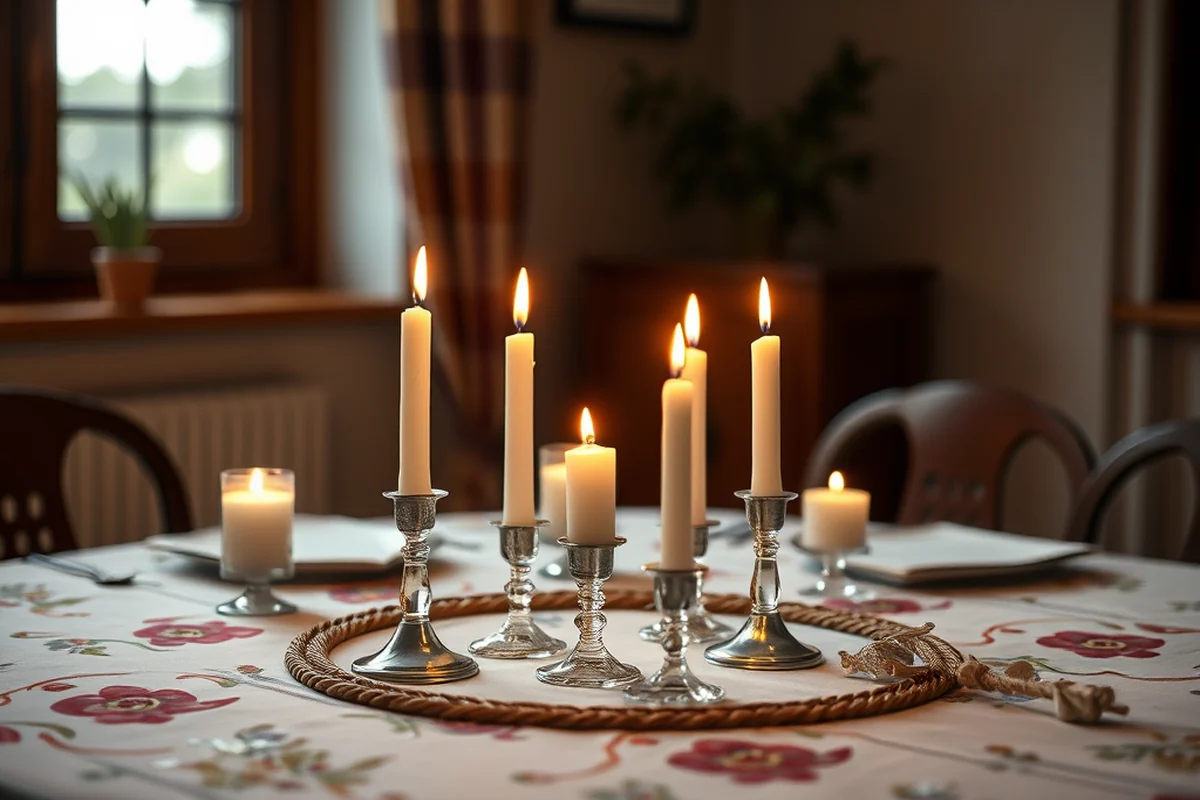
Budgeting is one of the most overlooked aspects of family reunion planning, but it's also one of the most important. I've attended reunions where the budget was completely ignored, leading to everything from overpriced food to last-minute venue changes. The first time I created a detailed budget, I was surprised by how much I could accomplish within my limits.
My budget typically includes venue costs, food and drinks, entertainment, and decorations. I found that the average reunion budget for a group of 20 people is around $400 to $600. This allows for a small venue rental, a catered dinner, and some basic entertainment. I've also found that the more specific your budget is, the easier it is to stay on track.[3]
One of the best ways to control costs is to prioritize what matters most. At my last reunion, we spent more on activities than on food, which gave us a better overall experience. We also used free or low-cost options for decorations, like renting centerpieces or using DIY table runners.
A well-planned budget is the foundation of a successful reunion.
Related: Focus on the family
Related: Top Family Reunion Planning Meeting Agenda
Related: Family Reunion Planning Guide Comparison
Related: Best Family Reunion Activities
Related: Planning A Family Reunion Checklist Vs
Related: Family Reunion Planning Agenda Comparison
Related: Planning A Family Reunion On A Budget Tips
Related: Addams Family Reunion
Related: Reunion Merriam Webster
Related: Types Of Family Reunion Planning Service
Related: Family Reunion Event Tips
Related: How To Plan Family Reunion
Related: Planning A Family Reunion On A Budget Templates
Related: How To Family Reunion Planning
Related: Planning For Family Reunion Problems
Related: Best Family Reunion Event Planning
Related: Types Of Planning A Family Reunion On A Budget
Related: Country Family Reunion Full Episodes
Related: Planning A Family Reunion
Choose the Right Location
The location of your reunion can make or break the entire event. I've hosted reunions at everything from backyard patios to rented halls and even in a rented Airbnb. Each choice had its own set of pros and cons, but the right location can make your reunion feel more personal and enjoyable.
For a small group of 12 people, a backyard or a small community hall is often the most cost-effective option. I've found that these spaces are usually more affordable and can be easily customized with decorations and seating. For larger groups, rented halls or event spaces are better, but they come with a higher price tag.[4]
I've also learned that the location should align with the type of reunion you're planning. If you're hosting a casual barbecue, a backyard or park is ideal. If you're planning a more formal dinner, a rented hall or restaurant might be the way to go. Whatever you choose, make sure it's accessible and comfortable for everyone involved.
Select a venue that matches your budget and the type of reunion you want to create — it will save you time and money.
“Last summer, I hosted my family's 20-year reunion at my parents' lakeside cabin.”— Family Reunion Planning editors
Related: Cheap family reunion planning tips
Related: Family Reunion Planning Guide Pdf Comparison
Related: Family Reunion Planning Checklist
Related: Planning A Family Reunion On A Budget Comparison
Related: Top Family Reunion Planning Tips
Related: Affordable Family Reunion Planning Tools
Related: Planning For Family Reunion
Related: What Is A Family Reunification
Plan the Agenda Carefully
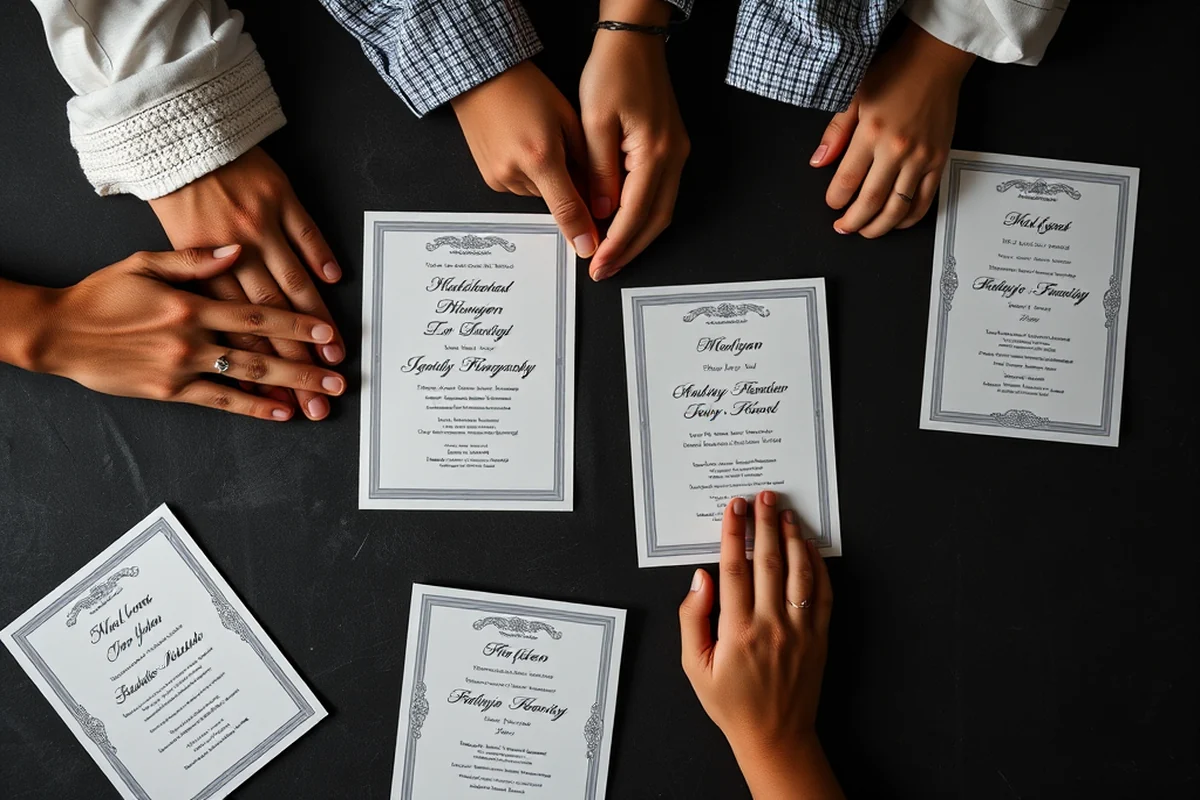
Even the best reunions can fall apart if the agenda is too loose or too rigid. I've seen reunions where no one had a clue what was happening next, leading to awkward silences and confused guests. On the other hand, I've also seen reunions where the agenda was so tight that there was no time for spontaneous conversations or laughter.
I've found that a good agenda includes a mix of planned activities and free time. For a 3-hour reunion, I like to schedule the first hour for a welcome drink or dinner, the second hour for games or activities, and the final hour for open conversation or a farewell. This allows for some structure while still leaving room for natural interactions.
One of the most important things I've learned is that the agenda should be shared with guests in advance. This helps everyone know what to expect and can reduce anxiety or confusion. I've also found that sending a reminder a day before the event helps keep things on track.
Related: Cheap planning a family reunion weekend
Related: Top Planning A Family Reunion
Invite the Right People
I used to think that inviting everyone in the family was the way to go, but I quickly realized that it wasn't always the best choice. Some family members have busy schedules or are uncomfortable in large groups, and forcing them to attend can lead to awkwardness and dissatisfaction.
I've found that it's better to focus on inviting those who are most likely to enjoy the event. For example, if you're planning a casual barbecue, you might want to invite close relatives who are more laid-back. If you're hosting a formal dinner, you might want to invite older family members who are more likely to appreciate the setting.
I've also learned that it's important to be clear about the expectations of the event. Some family members may not know what to expect, and it's better to be upfront about the type of reunion you're planning. This helps avoid misunderstandings and ensures that everyone has a good time.
Related: The family plan
Related: Family Reunion Planning Service Not Working
Include a Mix of Activities
I've attended reunions where the same activity was repeated over and over, leading to boredom and disengagement. On the other hand, I've also seen reunions where a mix of activities kept guests entertained and involved. A well-balanced selection of activities can make a reunion feel more dynamic and fun.
I've found that the best reunions include a mix of planned activities and free time. For example, you might have a game that everyone can participate in, followed by a free time for conversation or a group photo. This allows for some structure while still leaving room for spontaneous interactions.
I've also learned that it's important to consider the interests of your guests. If you're planning a reunion for kids, you might want to include games or a craft station. If you're planning a reunion for adults, you might want to include a trivia game or a talent show. Whatever you choose, make sure it's something that everyone can enjoy.
Variety is the spice of a great reunion — don't forget to include a mix of activities.
Related: How to family reunion planning guide
Keep It Simple and Real
I've hosted reunions that were perfectly planned, only to find that they felt too structured and didn't allow for natural interactions. In contrast, I've also had reunions where nothing was planned in advance, and they turned out to be the most memorable. Sometimes, the best reunions are the ones that happen organically.
I've learned that it's important to find a balance between planning and spontaneity. Too much planning can make the event feel forced, while too little planning can lead to confusion and disorganization. The key is to create a space where people can feel comfortable and engaged.
I've also found that it's better to focus on creating a welcoming environment rather than worrying about every detail. A simple dinner, a few games, and a relaxed atmosphere can be just as enjoyable as a fully planned event. The most important thing is that everyone feels included and comfortable.
💰 Budget-Friendly Reunion
Host a reunion without breaking the bank — focus on free or low-cost activities, like games, music, and potluck meals.
🏠 Small-Space Reunion
Create a memorable event in a small space — use compact furniture, foldable tables, and space-saving decor to maximize the area.
🌳 Outdoor Reunion
Enjoy the beauty of nature by hosting your reunion outdoors — use tents, picnic tables, and string lights to create a cozy atmosphere.
🍷 Grown-Up Reunion
Host a more mature event with wine, cocktails, and refined activities like trivia, board games, or a themed dinner.
😴 Low-Effort Reunion
Keep things simple with a relaxed agenda — serve casual food, provide a few activities, and let the event unfold naturally.
| The mistake | Why it happens | The fix |
|---|---|---|
| Ignoring the budget | Ignoring the budget can lead to overspending and financial stress, which can ruin the experience for everyone involved. | Create a detailed budget in advance and track your spending as you go. Stick to your limits and prioritize what matters most. |
| Not setting a clear agenda | Not having a clear agenda can lead to confusion, awkward silences, and a lack of structure, which can make the event feel disorganized. | Create a simple agenda that outlines the main activities and time slots. Share it with guests in advance to help them prepare and stay on track. |
| Inviting too many people | Inviting too many people can make the event feel crowded and overwhelming, especially for those who are not comfortable in large groups. | Invite only those who are most likely to enjoy the event and be comfortable in the setting. Consider the size of your venue and the type of reunion you're planning. |
| Overplanning the event | Overplanning can make the event feel forced and unnatural, leading to a lack of spontaneity and enjoyment. | Find a balance between planning and spontaneity. Create a loose agenda that allows for natural interactions and free time. |
Family Reunion Planning Tips Comparison
Common Questions
How long should a family reunion last?
What is the best way to keep guests engaged?
How do I manage the budget for a family reunion?
What if not everyone in the family can attend?
References
- Reunion Planning Resources - Grinnell Alumni (alumni.grinnell.edu)
- Review of Family Preservation and Family Reunification Programs (aspe.hhs.gov)
- Cuidados paliativos terminales (PDQ®) - National Cancer Institute (cancer.gov)
- Achieving Timely Reunification - Contra Costa County (contracosta.ca.gov)
- DDD Growth and AHCCCS Policy Revision FAQs - az.gov (des.az.gov)
Cite this guide
Family Reunion Planning (2026). Family Reunion Planning Tips Comparison. https://planwithjoy.com/family-reunion-planning-tips-comparison/
Feel free to cite or share this guide.