
Family Reunion Planning Agenda Comparison
📖 Table of Contents
- Why Comparing Agendas Matters
- Hybrid vs. Structured Agendas
- Choosing the Right Agenda Format
- The Role of Flexibility in Agendas
- Scheduling Time for Meals and Breaks
- Incorporating Cultural and Personal Preferences
- Including Time for Unplanned Moments
- Using the Agenda to Encourage Participation
- Make It Your Way
I still remember the chaos of my first family reunion — cousins arguing over who would bring the potato salad, uncles wandering off to smoke behind the barn. Aunts debating the merits of folding chairs versus lawn chairs. It was a disaster, but it taught me one thing: a well-planned agenda is the backbone of any successful family reunion. Whether you're reuniting a close-knit clan or reconnecting with distant relatives, the difference between a memorable gathering and a disorganized mess often comes down to how you structure your schedule. That's where the family reunion planning agenda comparison becomes essential, helping you handle the maze of activities, logistics, and expectations.[3]
When I first started planning my own family reunion, I assumed the agenda would just be a list of times and events. But as I spoke to more people, I realized how many unique approaches exist — from the strictly timed, no-flexibility kind to the loose, everyone-gets-to-choose-their-own-adventure style. A family reunion planning agenda comparison isn't just about choosing between 'structured' and 'casual.' It's about understanding the needs of your guests, the logistics of your venue, and the balance between fun and formality. This is where the real work begins.[4]
The key to a successful family reunion lies not just in the food or the decorations. In the flow of the day — who talks to whom, when people get tired, and how to keep the energy high throughout the event. This is where the family reunion planning agenda comparison comes into play. By comparing different styles of agendas, you can tailor your event to fit your family's personality and preferences, ensuring that no one feels left out, overwhelmed, or bored. It's a strategic, thoughtful process that makes the difference between a good time and a great memory.
Why You'll Love This Family Reunion Planning Agenda Comparison
- You'll avoid the chaos of last-minute decisions by choosing a clear schedule.
- You'll cater to different personalities by comparing structured and flexible agendas.
- You'll save time and money by avoiding overcomplicated or under-planned events.
- You'll ensure your guests feel engaged, included, and entertained throughout the day.
Why Comparing Agendas Matters
As of September 2026, when planning a family reunion, the agenda is your roadmap. Without it, chaos can quickly take over. I've seen reunions where guests wandered the venue aimlessly, and others where the schedule was so rigid that people were left waiting for hours between events. Comparing different types of agendas helps you strike the right balance between structure and flexibility. For example, one family I know used a 'block' style agenda, where each hour was dedicated to a specific activity, while another family used a 'suggested' style, allowing people to choose their own path. Both worked — it just depended on the group's preferences.
The type of agenda you choose will also affect how well your guests can participate. A structured agenda makes it easier for older relatives or those with limited stamina to know what's expected, while a more flexible approach allows kids to explore and play without feeling confined. I once hosted a reunion with a hybrid approach, where the main events were scheduled, but there were also unstructured times for chatting or playing games. It worked so well that the younger cousins ended up helping organize a spontaneous talent show.
The key is to compare agendas that align with your family's dynamics. If you have a large group with varied interests, a hybrid or flexible agenda might be better. If you're planning a small family event, a more structured approach can ensure everyone has a chance to participate. I've seen families use apps like Trello and Google Sheets to compare different agenda templates, making the process even easier.
Create a table with different agenda types and their pros and cons. This will help you make an informed decision.
Part of our Family reunion planning agenda for beginners guide.
Hybrid vs. Structured Agendas

A hybrid agenda is a great solution for large, multi-generational families. It allows for scheduled events while also giving people the freedom to explore. I once organized a reunion where the main activities — like dinner, games. A photo session — were set in stone, but there were also unstructured times for informal meetings, walks, or even a potluck lunch. The structure gave people something to look forward to, while the flexibility kept the event from feeling too rigid.
In contrast, a fully structured agenda is ideal for smaller groups or those who prefer clear expectations. One of my cousins planned a reunion with a strict schedule: 12:00 PM — arrival and lunch, 1:30 PM — family history talk, 3:00 PM — group photo, 4:00 PM — games. It worked perfectly, and everyone knew exactly what to expect. However, for larger groups, this kind of rigidity can sometimes cause frustration or make people feel rushed.[1]
By comparing hybrid and structured agendas, you can tailor your event to your family's needs. If you're unsure which to choose, consider a trial run with a small group or consult with relatives to get their opinions. I've found that hybrid agendas are often the most adaptable — they allow for spontaneity without sacrificing the overall flow of the event.
Hybrid agendas keep the excitement going without the stress of constant scheduling.
Related: Cheap family reunion planning tips
Related: Planning For Family Reunion Problems
Related: Family Reunion Planning Ideas
Related: Family Reunion Event Comparison
Choosing the Right Agenda Format
The format of your agenda can impact how well your guests follow it. Some families prefer a written agenda that's printed and handed out, while others use digital tools like Google Sheets or apps like Eventbrite. I've found that a printed agenda is more effective for older relatives who might not be as comfortable with technology, while digital formats allow for real-time updates if the schedule changes.
One of the most important considerations is how detailed your agenda should be. Some families prefer a very specific schedule with every activity listed, while others go with a more general outline. I once attended a reunion where the agenda listed only the main events, and the rest of the day was left to the group's discretion. It was a great balance — it gave people a sense of direction without being overly prescriptive.
Another format to consider is the use of visual aids, like color-coded charts or timelines, which can help people quickly understand the schedule. I've seen families use whiteboards with magnets to represent each activity, and it made the agenda feel more interactive and fun. Choosing the right format can make a big difference in how your guests perceive the event.
Color-coded timelines or whiteboards help guests quickly grasp the schedule and stay on track.
“I still remember the chaos of my first family reunion — cousins arguing over who would bring the potato salad, uncles wandering off to smoke…”— Family Reunion Planning editors
Related: Cheap planning a family reunion weekend
Related: How To Family Reunion Planning
Related: Planning A Family Reunion On A Budget Comparison
The Role of Flexibility in Agendas
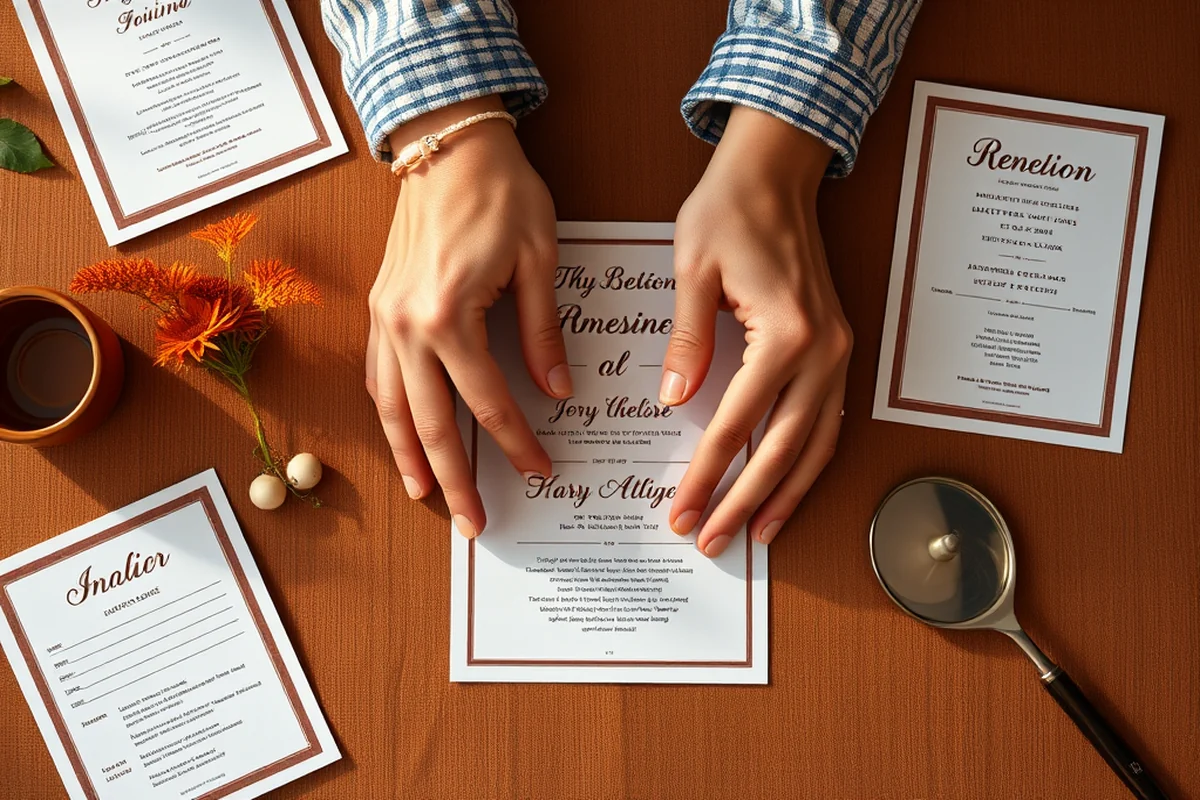
Even the best-planned agenda can go off track if you're too rigid. I've seen reunions where the schedule was so strict that people missed out on activities because they were waiting for others to finish. Flexibility is key — allowing for some buffer time between events or being prepared to adjust if something runs late can make a big difference in the guest experience.
One of the best ways to incorporate flexibility is to leave a few slots open in your agenda. For example, instead of filling the entire day with activities, you might include a few
A little flexibility can turn a good reunion into a great one.
Related: The family plan
Related: Family Reunion Planning Guide Comparison
Related: Best Family Reunion Planning Agenda
Scheduling Time for Meals and Breaks
Meals and breaks are often the most overlooked parts of any agenda, yet they can be the most important. I once hosted a reunion where the lunch was scheduled too late, and by the time we sat down, everyone was too tired to enjoy the food or each other's company. The next time, we moved lunch to an earlier time, and the energy in the room was completely different.
Another mistake I've seen is not scheduling enough time for breaks. If the agenda is too packed, guests can feel overwhelmed and leave early. I've found that including at least one hour of unstructured time between major events — like a walk, a game, or even just a coffee break — can help people recharge and stay engaged. It also gives the hosts a chance to catch up with guests without the pressure of the schedule.
When planning your agenda, be sure to include meals and breaks as essential parts of the schedule. If you're hosting a large group, consider scheduling a buffet-style lunch rather than a sit-down meal to reduce the pressure on timing. I've seen families use apps to track when guests arrive and adjust the schedule accordingly, ensuring everyone gets a chance to eat and rest without feeling rushed.
Treat lunch and dinner as important parts of the day, not just necessary stops. This helps set the tone for the whole event.
Related: How to family reunion planning guide
Related: Family Reunion Planning Guide Pdf Comparison
Incorporating Cultural and Personal Preferences
Family reunions are a chance to bring people together, but they can also become a minefield of cultural and personal differences if not handled carefully. I once attended a reunion where one family member was uncomfortable with the planned activity because it conflicted with their religious beliefs. It was a humbling experience that taught me the importance of being open to feedback and adjusting the agenda accordingly.
One of the best ways to incorporate personal and cultural preferences is to ask for input early in the planning process. I've seen families create a survey or hold a meeting where everyone can voice their opinions on what they'd like to see in the agenda. This helps ensure that no one feels excluded or uncomfortable. Another approach is to include a variety of activities so that there's something for everyone, whether it's a game, a tour, or a quiet conversation area.[2]
It's also important to be sensitive to different traditions or family customs. For example, if one side of the family has a tradition of storytelling, it might be a good idea to include a dedicated time for that. I've seen families use the agenda to highlight different cultural aspects, creating a more meaningful and engaging experience for all participants.
Related: Focus on the family
Including Time for Unplanned Moments
One of the most common mistakes in agenda planning is being too rigid and leaving no room for spontaneous moments. I've seen reunions where everything was scheduled down to the minute, and it felt more like a business meeting than a family gathering. In contrast, I've also seen reunions where the agenda was more of a guideline, and it led to some of the most memorable conversations and connections.
Including time for unplanned moments doesn't mean you have to abandon structure altogether. It means allowing for some flexibility and acknowledging that not everything will go as planned. I've found that including a 'free time' slot in the agenda can be a great way to give people a chance to catch up with old friends or explore the venue without the pressure of a scheduled event.
One of the best ways to include unplanned moments is to leave gaps in the schedule and encourage guests to use that time to connect. I've seen families use the agenda to suggest possible activities, like a walk in the park or a casual game, but leave the decision up to the guests. It's a small change that can make a big difference in the overall experience.
Letting go of the rigid schedule can lead to some of the most memorable moments at your reunion.
Using the Agenda to Encourage Participation
An agenda isn't just a schedule — it's a tool for encouraging participation and making sure everyone feels included. I once attended a reunion where the agenda was completely open, and it led to a lot of confusion and missed opportunities. In contrast, another reunion had a detailed agenda that included specific times for group activities, and it helped everyone know what to expect and how to get involved.
One of the most effective ways to encourage participation is to include a variety of activities that appeal to different interests and ages. I've seen families use the agenda to suggest things like a group hike, a photo session, or a shared craft activity, and it helped create a sense of unity and engagement. It's also important to make sure that the agenda is clear and easy to follow, so no one feels left out or overwhelmed.
Another way to encourage participation is to include interactive elements in the agenda, like a voting system or a suggestion box where guests can submit their ideas. I've seen families use digital tools to let guests vote on activities in real time, and it made the planning process more inclusive and fun. By using the agenda as a tool for participation, you can create a more engaging and memorable reunion.
🌱 Beginner
The simplest version — minimal supplies, quick win.
💰 Budget
Same result using what you already have.
⚡ Quick
The 10-minute version for busy days.
✨ Advanced
The upgraded version once the basics stick.
| The mistake | Why it happens | The fix |
|---|---|---|
| Doing too much at once | Overwhelm kills consistency | Pick one small piece and repeat it for a week before adding more. |
| Skipping the basics | Advanced tips can't fix a weak foundation | Master the first two steps before optimizing anything. |
Family Reunion Planning Agenda Comparison
References
- (PDF) Planning Under Pressure - Academia.edu (academia.edu)
- UDOLLI Seminars A to Z - University of Dayton (continuingeducation.udayton.edu)
- Achieving Timely Reunification - Contra Costa County (contracosta.ca.gov)
- separated by geographical location and lineage: a case study (digitalcommons.liberty.edu)
Cite this guide
Family Reunion Planning (2026). Family Reunion Planning Agenda Comparison. https://planwithjoy.com/family-reunion-planning-agenda-comparison/
Feel free to cite or share this guide.