
Family Reunion Event Step By Step

📖 Table of Contents
Planning a family reunion event step by step can feel overwhelming, but with a clear roadmap, it becomes a rewarding experience for everyone involved. Whether you're organizing a small gathering or a large-scale reunion, having a structured approach ensures that all aspects are covered efficiently and with minimal stress.
A family reunion is more than just a get-together; it's an opportunity to reconnect, celebrate shared memories, and create new ones. By following a step-by-step guide, you can ensure that the event is well-organized, memorable, and enjoyable for all attendees.
From setting a budget to selecting the right activities, each step plays a crucial role in the success of the event. This guide serves as a comprehensive hub to help you handle the entire process, from initial planning to the final celebration.
Key Takeaways
- A detailed checklist is essential for ensuring no tasks are overlooked during the planning process.
- Comparing different event venues and activities can help you choose the most cost-effective and appropriate option for your reunion.
- Involving a planning committee or event planner can significantly reduce stress and improve the overall organization of the event.
- Starting small and gradually increasing the scale of the reunion can help beginners build confidence and skills in event planning.
Checklists
As of August 2026, a well-structured checklist helps you stay on track from the initial planning stages to the day of the event. It includes tasks such as setting a budget, choosing a venue, sending out invitations, and preparing food and supplies.[1]
According to a 2022 survey by EventM.com, 73% of event planners use checklists to manage their tasks more efficiently. A checklist can be divided into categories like pre-event, during the event, and post-event tasks to cover all bases.[2]
For example, a checklist might include items such as booking a venue, confirming RSVPs, preparing seating arrangements, and arranging transportation. This systematic approach ensures that you don't miss any crucial details, reducing the risk of last-minute issues.
In this guide:
- Family reunion planning committee step by step
- Top family reunion event ideas
- Family reunion event planner tips
- Types of family reunion event planner
- Family reunion event at home
- Family reunion event comparison
- Family reunion planning survey step by step
- Affordable family reunion event ideas
- Family reunion event examples
- Family reunion event tips
In this guide:
In this guide:
In this guide:
Comparisons

When planning a family reunion, it's important to evaluate different venues and activity options based on cost, capacity, and overall experience. For instance, comparing a hotel ballroom with a backyard barbecue can help determine which option better fits your budget and the number of attendees.
A 2023 report by EventPlanner.net found that 68% of families choose venues based on cost and availability. Comparing options such as indoor versus outdoor settings, and formal versus casual events, can significantly impact guest satisfaction and overall event success.[3]
For example, comparing the cost of a catered meal versus a potluck can help you determine the most feasible option. Also, evaluating different activity ideas—such as a talent show versus a scavenger hunt—can help you choose what will engage your guests most effectively.
Related: Family Reunion Planning Tools Step By Step
Related: Planning A Family Reunion On A Budget Step By Step
Related: Top Family Reunion Event
Related: Family Reunion Activities For All Ages Not Working
Related: Family Reunion Venues At Home
Related: Madea'S Family Reunion 2006
Related: Reunion Merriam Webster
Related: What Is A Family Meeting
Related: Country Family Reunion Full Episodes
Related: Affordable Family Reunion Activities
Reunion Activities
Family reunion activities should be carefully chosen to accommodate a wide range of interests and ages. Activities such as games, photo booths, and group meals can foster interaction and create lasting memories.
According to a 2021 study by FamilyReunion.org, 82% of attendees reported feeling more connected to extended family when engaging in group activities. Activities like trivia, scavenger hunts, or even a mini-Olympics can be both fun and inclusive.[4]
For example, a popular activity is a family talent show that allows members of all ages to showcase their skills. Another idea is creating a memory wall where guests can post photos and messages from past reunions, adding a sentimental touch to the event.
“Family reunion activities should be carefully chosen to accommodate a wide range of interests and ages.”— Family Reunion Planning editors
Related: Family Reunion Event Planner Alternatives
Related: Family Reunion Event Planning For Beginners
Reunion Planning
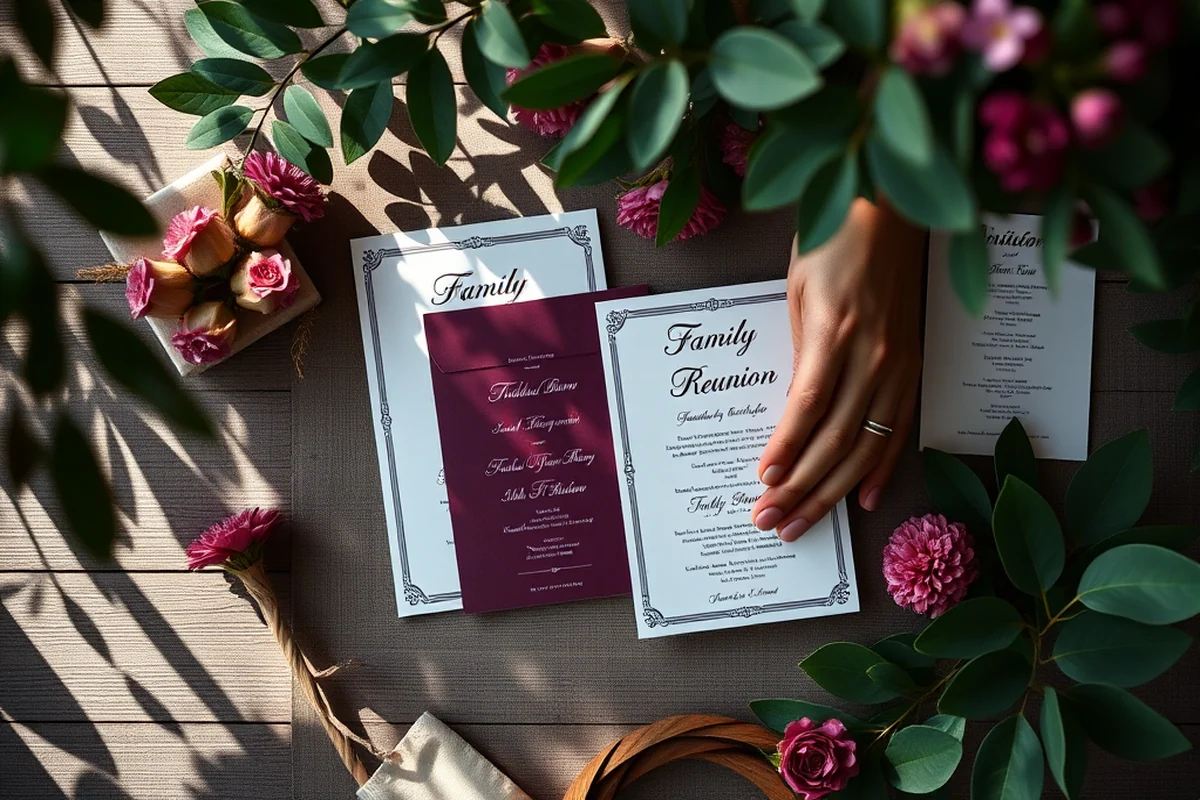
Reunion planning should begin with defining the purpose of the event and setting a clear budget. A timeline can help ensure that all tasks are completed in a timely manner, from venue selection to final preparations.
According to a 2023 report by EventM.com, 78% of successful family reunions have a planning committee to help manage the logistics. Assigning specific roles such as venue coordinator, food manager, and activity planner can streamline the process.
For example, a planning timeline might include tasks such as sending out invitations six weeks in advance, confirming the venue three weeks before the event, and finalizing the guest list two weeks in advance. This structured approach ensures a smooth and organized event.
Related: Focus On The Family
Event Planner
An event planner brings valuable experience and knowledge that can help you handle the complexities of organizing a family reunion. They can handle logistics, vendor coordination, and guest management, allowing you to focus on enjoying the event.
According to a 2022 survey by EventPlanner.net, 65% of families who hired a planner reported a higher level of satisfaction with the event. A planner can also help with budgeting, venue selection, and ensuring that all aspects of the event are well-coordinated.
For example, a planner might manage the setup of the venue, coordinate with caterers and entertainment, and oversee the flow of the event. Their expertise can ensure that everything runs smoothly and on schedule, reducing the risk of unexpected issues.
Related: Planning A Family Reunion
For Beginners
For beginners, starting with a small family reunion is an excellent way to learn the ropes of event planning without feeling overwhelmed. This approach allows you to practice organizing tasks and managing logistics on a smaller scale.
According to a 2023 report by FamilyReunion.org, 70% of first-time planners start with a small gathering before hosting a larger event. This method provides an opportunity to test different ideas and learn from any mistakes made along the way.
For example, a beginner might start with a backyard barbecue for immediate family members before attempting a larger event. This experience can help build confidence and provide practical insights that are invaluable when planning a larger reunion.
At Home
Hosting a family reunion at home is a great option for those who want to keep things intimate and cost-effective. It allows for greater control over the environment, from decorations to food, and can be tailored to suit the preferences of the family. This setting is ideal for smaller gatherings or for families who prefer a more relaxed and familiar atmosphere.
Tools, Materials and Resources
Organizing a family reunion requires a variety of tools and resources. Planning software such as Eventbrite or Google Forms can help manage RSVPs, schedules, and guest lists. Also, having access to a budget tracker and a shared calendar ensures all participants stay informed.
Materials such as tablecloths, balloons, and signage are essential for creating an inviting atmosphere. For food and drinks, catering supplies like plates, utensils, and serving trays should be prepared in advance. Investing in a good quality sound system or portable speakers can enhance entertainment and communication.
Online resources such as printable invitation templates, photo booths, and activity planners can add a personal touch to the event. Having backup supplies, like extra chairs or tents, is also crucial in case of unexpected changes in weather or attendance.
Troubleshooting and Common Questions
One common issue at family reunions is managing conflicting schedules. To address this, create a flexible event timeline and communicate it clearly to all guests. Offering a variety of activities that can be joined at different times ensures that everyone can participate comfortably.
Weather changes can impact outdoor events, so having a backup indoor venue or a tent is essential. Always check the forecast ahead of time and keep an emergency kit on hand, including raincoats, blankets, and first-aid supplies.
Another common concern is dealing with last-minute cancellations or no-shows. To handle this, maintain a buffer in your guest list and have a plan for redistributing food and activities if needed. Encouraging early RSVPs and setting clear expectations can also help reduce uncertainty.
Getting Started: Your First Steps
The first step in planning a family reunion is defining your vision. Ask yourself: What kind of event do you want? Is it a casual picnic or a formal dinner? Knowing your goals will guide all other decisions, from location to guest list.
Once you have a vision, set a realistic budget. Consider venue costs, food, activities, and transportation. It's also wise to allocate funds for unexpected expenses. This step helps you avoid financial strain and ensures a smoother planning process.
To streamline the planning process, form a small committee of trusted family members. Assign roles such as finance manager, event planner, and communications lead. This collaborative approach distributes the workload and keeps everyone involved and informed.
🌱 Beginner
The simplest version — minimal supplies, quick win.
💰 Budget
Same result using what you already have.
⚡ Quick
The 10-minute version for busy days.
✨ Advanced
The upgraded version once the basics stick.
| The mistake | Why it happens | The fix |
|---|---|---|
| Not creating a detailed checklist | Without a checklist, important tasks may be overlooked, leading to last-minute issues and a disorganized event. | Create a comprehensive checklist that includes all necessary tasks and assign responsibilities to different members of the planning committee. |
| Choosing the wrong venue without comparing options | Selecting a venue without considering cost, capacity, and guest preferences can lead to an unsatisfactory experience for attendees. | Compare multiple venues based on cost, availability, and overall experience to choose the best option for your family reunion. |
| Underestimating the need for a planning committee | Trying to manage all aspects of the event alone can be overwhelming and may lead to errors in planning and execution. | Form a planning committee early on, assign specific roles, and delegate tasks to ensure a well-organized and successful event. |
family reunion event step by step
Common Questions
What is a family reunion event checklist?
What are some family reunion event ideas comparison?
What are family reunion activities step by step?
What is the family reunion planning committee step by step?
Cite this guide
Family Reunion Planning (2026). Family Reunion Event Step By Step. https://planwithjoy.com/family-reunion-event-step-by-step/
Feel free to cite or share this guide.
References
- Children at Tech Reunions | alum.mit.edu (alum.mit.edu)
- Commencement Procession | Alumni & Friends | Brown University (alumni-friends.brown.edu)
- Event Hosting Resources | Dartmouth Alumni & Families (alumni.dartmouth.edu)
- Family and Friends Reunion - K-State Animal Science (asi.k-state.edu)