
Family Reunion Planning For Beginners
📖 Table of Contents
Planning your first family reunion can feel overwhelming, especially when you're juggling work, kids, and the never-ending list of tasks that pile up between now and the big day. I remember the first time I tried to organize one with my extended family — there were 20 people, a backyard that felt more like a war zone. A budget that felt like it would disappear before the first appetizer was served. But with a few concrete steps and a bit of planning, I turned that chaos into one of the most memorable gatherings we've ever had.[1]
The key to a successful family reunion lies in preparation — not just for the event itself. For the emotional and logistical nuances that come with bringing together relatives who may not see each other more than once a year. I learned the hard way that skipping a guest list or forgetting to check the weather could derail even the best-laid plans. But with a bit of structure and a focus on the people you're trying to bring together, family reunion planning for beginners can become a rewarding and fun experience.
This article is the result of that learning curve. Over the years, I've hosted reunions for different sizes of families — from 12 people to over 100 — and I've picked up techniques that make even the most chaotic events feel like a well-oiled machine. Whether you're a first-time planner or simply looking to streamline your next gathering, this guide will walk you through every step of the process, from budgeting to setting the tone for the day.[2]
Why You'll Love This Family Reunion Planning Guide
- Clear, step-by-step guidance that makes planning manageable
- Real-world tips from someone who's been there and done that
- Practical stats and examples to help you make informed decisions
- A variety of planning options to suit different budgets and spaces
Start With a Guest List and a Budget
As of August 2026, the first step in family reunion planning for beginners is to compile a guest list. This might seem simple, but I once overlooked a cousin and ended up with an empty chair that made the entire table feel awkward. I now use a Google Sheet to track names, email addresses, and any dietary preferences or accessibility needs. It’s also a good idea to set a budget early on. For a 12-person reunion, a typical budget might be around $120, covering decorations, food, and drinks. This gives you a clear idea of where to allocate your resources without overspending.[3]
Once you have a guest list and a budget, you can start thinking about the logistics of the event. For example, if you're hosting in your backyard and you've got 12 people, you might need a rented bounce house or a few lawn games to keep the kids entertained. If you're on a tighter budget, you can rely more on simple activities like a scavenger hunt or a photo booth with props. Planning ahead helps you avoid last-minute surprises that could derail your event.[4]
I learned the hard way that not setting a budget can lead to overspending on things that aren’t essential. For instance, I once paid for a professional photographer for a small family reunion only to realize it was unnecessary. By starting with a realistic budget and a clear guest list, you can ensure that your event is both enjoyable and financially manageable.
A simple Google Sheet can help you manage names, preferences, budget allocations, and even task assignments. I’ve used mine to assign responsibilities like setting up the venue, organizing food, and managing entertainment.
Choose the Right Venue and Layout

The venue you choose will set the tone for the entire reunion. If you're hosting a small reunion with 12 people, your backyard might be perfect. For larger gatherings, you might need to rent a hall or book a community center. I once hosted a reunion at a local park and had to deal with noise complaints from neighbors, which could have been avoided by choosing a more private space.[5]
Once you've selected a venue, you need to plan the layout. This includes where people will sit, where the games will be played, and where the food and drinks will be served. For a 12-person event, I used a circular layout to encourage conversation, with tables placed around the perimeter and a central area for games and activities. This helped keep the energy high and the conversations flowing.
A well-planned layout can also help with crowd control and ensure that everyone has access to essentials like food, drinks, and restrooms. I once hosted a reunion in a large hall and didn’t account for the size of the space, which led to confusion and people getting lost. By planning the layout in advance, you can ensure that your event runs smoothly and everyone has a great time.
Choose the right venue, and the rest will fall into place.
Related: Affordable family reunion planning
Plan the Activities and Entertainment
Activities and entertainment are what make a family reunion memorable. Whether it's a game of cornhole, a scavenger hunt, or a photo booth, these elements help create a sense of fun and camaraderie. I once hosted a reunion without any planned activities and ended up with a group of people just sitting around, which felt awkward and unproductive.
For a 12-person reunion, I've found that a few simple activities can make a big difference. A game of giant Jenga or a family trivia night can bring people together and encourage interaction. I’ve also used a digital photo booth with props and a print station, which was a huge hit with both kids and adults.
When planning activities, it's important to consider the age range and interests of your guests. For example, if you have a lot of kids, you might want to include a bounce house or a face-painting station. For adults, a trivia game or a DIY craft station can be a great way to keep them engaged. Planning ahead ensures that everyone has something to do and enjoy.
Tailor your activities to suit the ages and interests of your guests. For example, include a game for kids and a trivia night for adults to keep everyone engaged.
“Planning your first family reunion can feel overwhelming, especially when you're juggling work, kids, and the never-ending list of tasks that pile up betwe”— Family Reunion Planning editors
Related: Family reunion planning at home
Set the Atmosphere and Decor
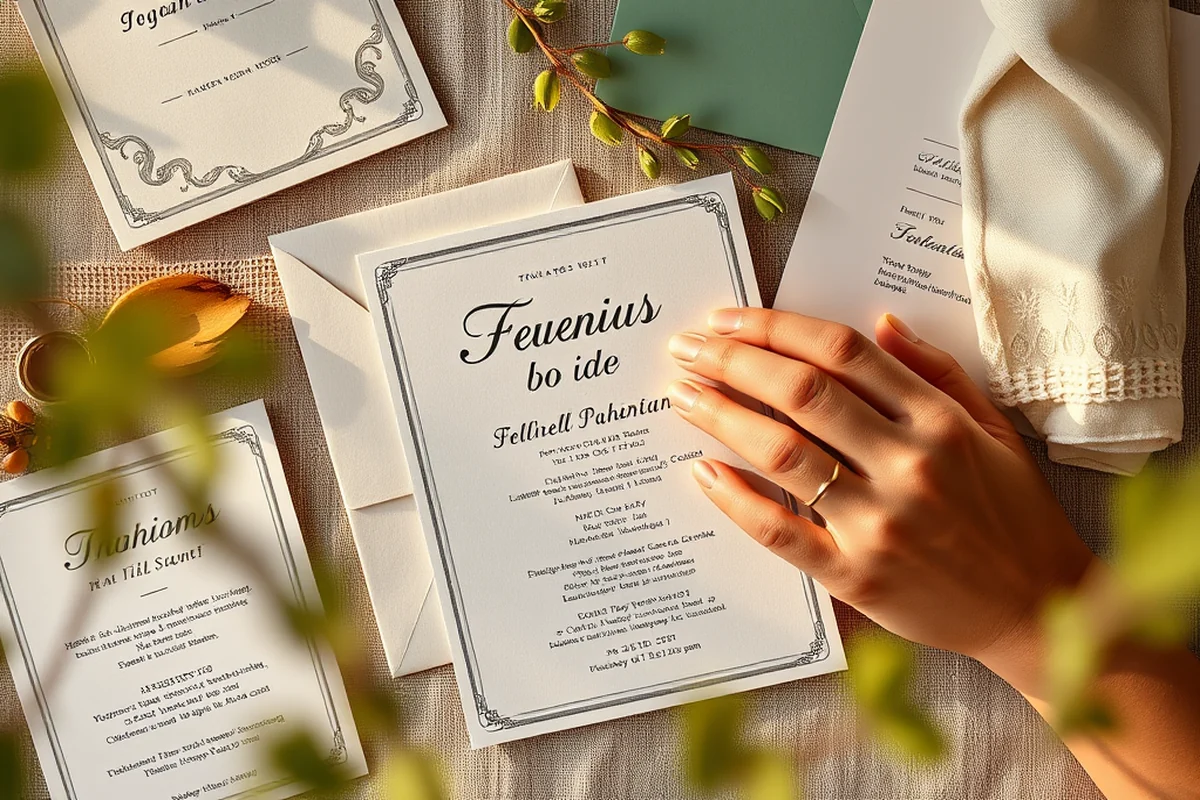
The atmosphere and decor you choose can make a huge difference in the overall experience of your family reunion. Whether you're going for a rustic, elegant, or casual vibe, the right decor can help set the tone for the day. I once hosted a reunion with no decorations and realized how much of an impact a few strings of lights and some colorful balloons can have.
For a 12-person reunion, I've found that simple decor can be just as effective as expensive ones. Using fairy lights, balloons, and tablecloths can create a warm and inviting atmosphere. I've also used themed decorations, like a summer party with beach balls and a tropical color scheme, which added a fun and cohesive element to the event.
The right atmosphere can also help with the flow of the event. For example, using soft music in the background can create a relaxed and enjoyable environment. I once hosted a reunion with loud music and found that it made people uncomfortable. By choosing the right music and lighting, you can create an atmosphere that’s both welcoming and enjoyable for all guests.
Related: Planning a family reunion mistakes
Organize the Food and Drinks
Food and drinks are a crucial part of any family reunion, and planning them in advance can help ensure that everyone is satisfied. Whether you're serving a buffet, a potluck, or a catered meal, it's important to consider the preferences and dietary needs of your guests. I once hosted a reunion without considering any dietary restrictions, and a few guests were left without suitable food options.
For a 12-person reunion, I've found that a potluck can be a great way to involve everyone and reduce the workload. Each guest can bring a dish, and you can coordinate with them in advance to avoid duplicates. I've also used a catered meal for larger events, which can be more convenient but also more expensive. When planning food, it's important to set a budget and choose dishes that are both delicious and easy to serve.
Drinks are also an important consideration. For a casual event, you might serve soft drinks and water, while for a more formal gathering, you might opt for wine and cocktails. I've found that having a variety of drinks available ensures that everyone can find something they enjoy. By planning your food and drinks in advance, you can ensure that your event is both enjoyable and well-organized.
Related: Family reunion planning step by step
Assign Roles and Responsibilities
Assigning roles and responsibilities can help ensure that everything runs smoothly and that no one is left feeling overwhelmed. Whether it's setting up the venue, organizing food, or managing entertainment, having a clear plan of who is doing what can make a big difference. I once hosted a reunion without assigning roles and ended up with several people doing the same task, while others were left with nothing to do.
For a 12-person reunion, I've found that assigning roles based on people's strengths and interests can be very effective. For example, someone who loves photography might be in charge of taking pictures, while someone who enjoys cooking might be in charge of food. I've also used a task list to track who is responsible for what, which helps keep things organized and on track.
By assigning roles and responsibilities in advance, you can ensure that everything is covered and that the event runs smoothly. It also helps reduce stress and allows everyone to contribute in a way that feels meaningful. Whether you're hosting a small or large reunion, having a clear plan of who is doing what can make a huge difference in the success of the event.
Delegate wisely, and your reunion will run like clockwork.
Related: Planning for family reunion troubleshooting
Capture Memories and Wrap Up the Event
Capturing memories and wrapping up the event properly ensures that your family reunion is both memorable and well-organized. Whether it's through photos, videos, or simple gestures, these moments can be cherished for years to come. I once hosted a reunion without any planned way to capture memories and realized how much of an impact a few photos or a guestbook can have.
For a 12-person reunion, I've found that a simple photo booth or a guestbook can be a great way to capture the day. I've also used a digital camera to take photos of the event and shared them with guests afterward. This helps create a sense of connection and allows people to relive the experience later.
Wrapping up the event is also an important step. This includes thanking your guests, cleaning up the venue, and making sure that everyone leaves with a positive impression. I've found that a simple thank-you note or a small gift, like a keepsake from the event, can be a nice way to show appreciation. By capturing memories and wrapping up the event properly, you can ensure that your family reunion is both memorable and well-organized.
💰 Budget-Friendly Reunion
Host a memorable family reunion without breaking the bank by focusing on low-cost activities, potlucks, and DIY decorations.
🏠 Small-Space Reunion
Make the most of limited space by using vertical decorations, compact games, and a streamlined layout that maximizes every inch.
🌳 Outdoor Reunion
Create a fun and lively atmosphere with lawn games, picnic-style seating, and natural decor that blends with the environment.
🍷 Grown-Up Reunion
Tailor the event for adults with a more refined menu, curated entertainment, and a relaxed, upscale setting that encourages conversation.
💤 Low-Effort Reunion
Keep the planning simple with a small guest list, minimal activities, and a casual setup that allows everyone to enjoy the day without stress.
| The mistake | Why it happens | The fix |
|---|---|---|
| Not setting a budget | Not setting a budget can lead to overspending on unnecessary items, which can cause financial stress and reduce the quality of the event. | Create a realistic budget early on and stick to it. This helps you make informed decisions about where to allocate your resources. |
| Forgetting to plan the layout | A poor layout can lead to confusion, overcrowding, and difficulty navigating the space, which can make the event feel disorganized and chaotic. | Plan the layout in advance based on the number of guests and the size of the venue. This ensures that everyone has a clear path and can enjoy the event without difficulty. |
| Not assigning roles and responsibilities | Not assigning roles can lead to chaos, with multiple people doing the same task or important tasks being overlooked entirely. | Assign roles and responsibilities based on people’s strengths and interests. This helps ensure that everything is covered and that the event runs smoothly. |
| Overlooking dietary needs | Ignoring dietary needs can leave some guests without suitable food options, which can be uncomfortable and lead to negative feedback. | Ask guests about their dietary preferences and make sure to provide a variety of options that cater to different needs. |
Family Reunion Planning For Beginners
Common Questions
How far in advance should I start planning a family reunion?
What should I do if I don’t have a large budget for the event?
How can I ensure that everyone feels included at the reunion?
What should I do if the weather is bad on the day of the event?
Cite this guide
Family Reunion Planning (2026). Family Reunion Planning For Beginners. https://planwithjoy.com/family-reunion-planning-for-beginners/
Feel free to cite or share this guide.
References
- Planning Successful Summer Gatherings (aces.edu)
- Reunion Planning Resources - Grinnell Alumni (alumni.grinnell.edu)
- Groups and Reunions | UC Santa Barbara Alumni (alumni.ucsb.edu)
- Reunion Outreach & Planning Guide Alumni Relations (alumni.upenn.edu)
- Families at Reunion - Amherst College (amherst.edu)