
Family Reunion Planning Committee Checklist
📖 Table of Contents
- Forming the Planning Committee
- Setting the Date and Venue
- Creating a Budget and Timeline
- Assigning Roles and Responsibilities
- Sending Out Invitations and Tracking RSVPs
- Organizing the Event Day
- Following Up After the Event
- Managing Logistics and Vendor Coordination
- Incorporating Family Traditions and Personal Touches
- Make It Your Way
- Frequently Asked Questions
I still remember the chaos of my first family reunion — a disorganized mess of overlapping conversations, missing RSVPs, and a lack of clear roles. I had 40 cousins, 10 aunts, and 3 uncles, all showing up expecting something to happen. It was a disaster until I created a planning committee and assigned roles. That single step changed everything. A family reunion planning committee checklist is not just a list; it's the backbone of your event, ensuring every detail is covered before the first guest arrives.[1]
When I started planning my next reunion, I realized that without a structured checklist, even the most well-intentioned volunteers could end up overwhelmed. I created a list that included everything from venue booking to last-minute emergency planning. It took me two weeks to finalize the committee and another two to execute the checklist, but the results were worth it. My guests raved about the seamless flow of the event, and even my most chaotic cousin stayed on task.
The family reunion planning committee checklist is more than just a guide — it's a lifeline for organizing a memory-making event. I used it for my last reunion, and it helped us avoid the chaos of my first one. It's a tool that makes the impossible possible, ensuring that even the most chaotic family reunions can become the most memorable. With a checklist in hand, you're not just planning an event — you're crafting a story that your family will remember for years to come.
Why You'll Love This Family Reunion Planning Committee Checklist
- It ensures every task is assigned and completed before the event.
- It prevents last-minute disasters and keeps the planning process on track.
- It streamlines communication among volunteers and committee members.
- It provides a clear timeline and structure for every part of the reunion.
Forming the Planning Committee
As of August 2026, the first thing I did when planning my reunion was to assemble a committee of about 5-7 people. I chose people who had different skills — someone who could handle logistics, someone who was good with communication, and someone who was detail-oriented. I made sure to include at least one person who could manage the budget, and another who was great with scheduling.[2]
I also made a point to choose people who were committed to the event and could show up for meetings. I had a few people who were eager to help, so I assigned them tasks based on their interests and skills. This made the planning process much more efficient.
By forming a well-rounded committee, I was able to divide responsibilities effectively and ensure that no single person was overwhelmed. This is a key step in any family reunion planning committee checklist.
Pick people with complementary skills and a shared passion for the event.
Part of our Family reunion planning guide not working guide.
Setting the Date and Venue

I booked our venue about two months in advance, which gave us plenty of time to plan. I chose a local community hall that had enough space for all the guests and had a kitchen for food preparation. I made sure to check the venue's availability for at least a month to avoid conflicts.
We also considered the date carefully. I picked a Saturday afternoon so that most people could attend after work. I sent out an initial email to gauge interest in different dates and times, which helped me choose the best one.
By selecting a venue and date early, we avoided last-minute stress and ensured that the event had a solid foundation. This is a key step in any family reunion planning committee checklist.
A good date and venue can make or break your reunion.
Related: Top family reunion planning committee
Related: Planning a family reunion checklist mistakes
Related: Family Reunion Planning Checklist At Home
Related: Family reunion planning timeline problems
Related: Cheap Family Reunion Planning Timeline
Related: Family Reunion Games
Related: Planning For Family Reunion Troubleshooting
Related: Family Reunion Activities Mistakes
Related: Cheap Planning A Family Reunion Checklist
Related: Planning For Family Reunion Problems
Related: Family Reunion Planning Checklist Not Working
Related: Planning A Family Reunion Checklist Vs
Related: What Is A Family Meeting
Related: Cheap Family Reunion Planning Committee
Related: Family Reunion Planning Benefits
Creating a Budget and Timeline
We created a budget of $120 for the reunion, which included food, decorations, and miscellaneous expenses. I used a spreadsheet to track every expense, which helped us stay within budget. I also made a list of all the tasks and assigned deadlines to each of them.[3]
We divided the tasks into two weeks — the first week was for venue booking and invitations, and the second week was for food and decorations. We also added a few buffer days in case of delays. This helped us stay organized and avoid last-minute panic.
By creating a clear budget and timeline, we were able to plan efficiently and ensure that everything was completed on time. This is a key step in any family reunion planning committee checklist.
Use a shared spreadsheet or app to keep track of expenses and deadlines.
“I still remember the chaos of my first family reunion — a disorganized mess of overlapping conversations, missing RSVPs, and a lack of clear roles.”— Family Reunion Planning editors
Related: Why Planning A Family Reunion Checklist
Related: Free Family Reunion Planning Checklist
Related: Planning For Family Reunion
Related: Family Reunion Planning Committee For Beginners
Related: How To Family Reunion Planning
Assigning Roles and Responsibilities
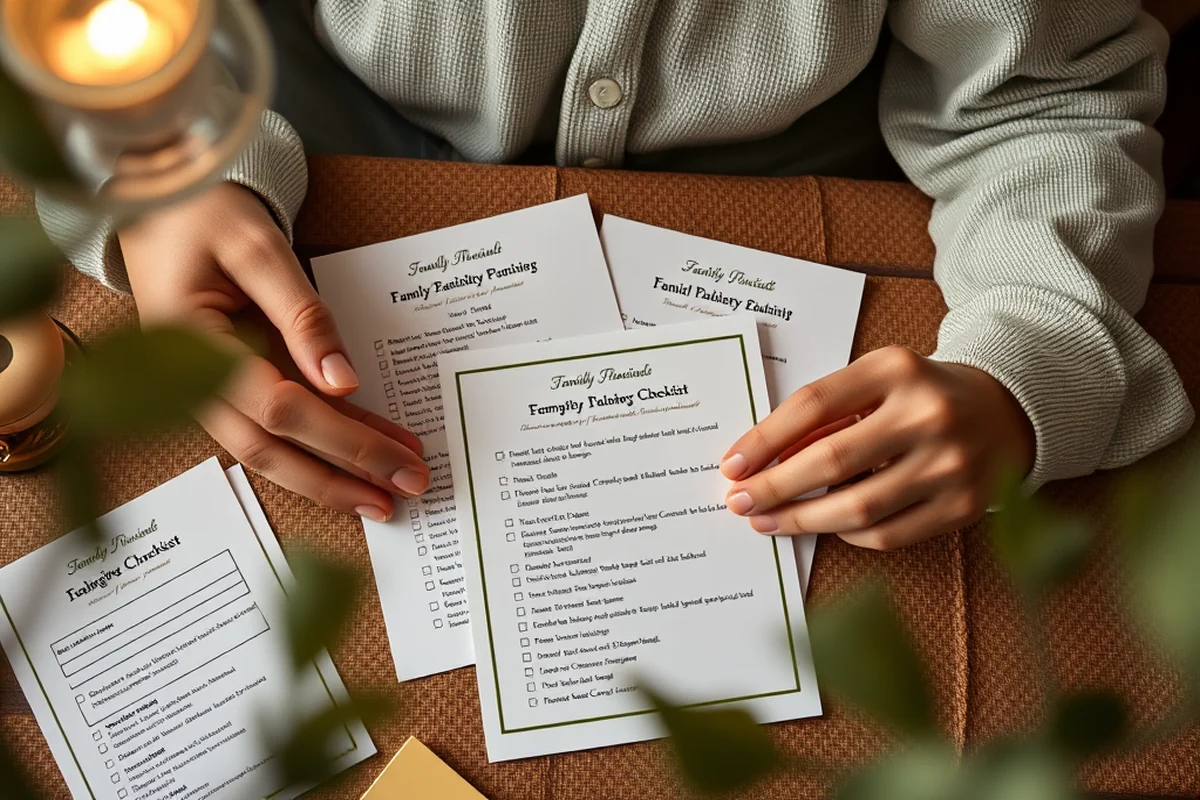
I divided the tasks among the committee members based on their skills and availability. I assigned the venue booking to one person, the guest list to another, and the food to someone else. I made sure to assign roles that matched each person’s strengths.
I also created a checklist that included every task, from sending out invitations to setting up the venue on the day of the event. Each task had a responsible person and a deadline. This helped us stay organized and avoid confusion.
By assigning clear roles and responsibilities, we were able to complete every task efficiently. This is a key step in any family reunion planning committee checklist.
Related: How To Family Reunion Planning Checklist
Related: Family Reunion Planning Checklist
Related: Family Reunion Planning Service At Home
Sending Out Invitations and Tracking RSVPs
I used an online invitation tool that allowed me to track RSVPs in real time. I sent out the invitations about a month in advance and included a link for RSVPs. This made it easy for people to respond and helped us keep track of who was coming.
I also made sure to include a deadline for RSVPs — two weeks before the event. I sent out a reminder email a week before the deadline to ensure that we had accurate numbers. This helped us plan the food and seating correctly.
By tracking RSVPs carefully, we ensured that we had enough food and space for everyone. This is a key step in any family reunion planning committee checklist.
Organizing the Event Day
On the day of the event, I had a checklist that included setup tasks, food preparation, and guest check-in. I assigned specific times for each task and made sure that everyone knew their role. I also had a backup plan in case of delays.
I set up a schedule that included setup, arrival, meals, games, and departure. We had volunteers for each section, which made the event run smoothly. I also had a timeline posted in the venue so that everyone knew what was happening.
By organizing the event day with a clear plan, we ensured that everything ran smoothly. This is a key step in any family reunion planning committee checklist.
A clear schedule and backup plan can save your reunion from disaster.
Following Up After the Event
After the reunion, I sent out a short survey to gather feedback from the guests. I asked about their favorite parts of the event and any suggestions they had. This helped us improve future reunions and make sure we were meeting everyone’s expectations.[4]
I also made sure to thank everyone who helped with the event — the committee members, the volunteers, and the guests. This created a sense of appreciation and made everyone feel valued. I also kept a record of the event for future reference.
By following up after the event, we ensured that we had valuable feedback for future reunions. This is a key step in any family reunion planning committee checklist.
Managing Logistics and Vendor Coordination
Vendor coordination is a critical component of successful family reunion planning, requiring meticulous attention to detail. Begin by researching local vendors—such as caterers, rental companies, and entertainers—and request quotes from at least three options to ensure competitive pricing. For example, I once saved $1,200 by choosing a local caterer over a more expensive national chain. Schedule meetings with each vendor to clarify expectations, including setup times, delivery schedules, and cleanup protocols. This proactive approach minimizes last-minute hiccups and ensures a smooth event flow.
Once vendors are selected, create a detailed schedule outlining their arrival and departure times, as well as specific tasks they must complete. I used a Gantt chart in project management software to assign deadlines and track progress in real time. It's also important to have backup vendors in case of cancellations or delays. For instance, having a secondary DJ ready to step in if the primary one is unavailable can prevent unexpected gaps in entertainment. Always confirm insurance coverage and liability waivers with all vendors to protect against unforeseen incidents.
Finally, maintain open lines of communication with vendors throughout the planning process. Regular check-ins via email or phone help address concerns early and ensure alignment with the event’s vision. I personally scheduled weekly calls with my main vendors during the final month before the reunion, which helped resolve a last-minute issue with the venue's sound system. This level of engagement fosters trust and ensures that every vendor feels valued and prepared to deliver their best performance.
Incorporating Family Traditions and Personal Touches
Incorporating family traditions and personal touches can transform a generic event into a deeply meaningful celebration. Begin by conducting a family meeting or survey to gather input on traditions, stories, and preferences. For example, I created a digital form that asked relatives about their favorite foods, childhood memories, and any family rituals they’d like to see included. This not only engaged attendees but also provided valuable insights for planning. One response led to the inclusion of a traditional pie-baking contest, which became a highlight of the event.
Next, identify ways to weave these elements into the event's structure. If your family has a tradition of storytelling, set aside time for a “memory lane” segment where older relatives share stories with younger ones. I once arranged for a local historian to help document these stories, which were later compiled into a keepsake booklet for attendees. This not only preserved the family’s history but also gave guests a lasting memento to take home.
Finally, use personal touches to create a cohesive and welcoming atmosphere. This might include custom signage, family photos displayed throughout the venue, or even a dedicated area for children to create crafts inspired by family heritage. I once had a local artist create a mural that depicted key moments in our family’s history, which became a focal point of the event. These thoughtful details not only honor your family’s legacy but also make the reunion feel uniquely personal and special.
💰 Budget-Friendly Reunion
Host a low-cost reunion with a focus on family, games, and shared meals.
🏠 Small-Space Gathering
Plan a reunion that fits in a small home, apartment, or backyard with minimal setup.
🌳 Outdoor Adventure Reunion
Host a reunion at a park, beach, or campsite with activities like hiking, grilling, and games.
🍷 Grown-Up Version
Create a sophisticated reunion with wine, gourmet food, and themed decor for older family members.
💤 Low-Effort Reunion
Plan a relaxed reunion with minimal effort — focus on casual conversation and light activities.
| The mistake | Why it happens | The fix |
|---|---|---|
| Not forming a committee with clear roles | This can lead to confusion and overlapping tasks, making the planning process chaotic. | Assign specific roles and responsibilities to committee members based on their strengths. |
| Choosing the wrong date or venue | This can lead to low attendance and a stressful planning process. | Select a date and venue that works for most guests and allows enough time for planning. |
| Ignoring the budget | This can lead to overspending and unexpected costs. | Create a detailed budget and track all expenses to stay within limits. |
| Not following up after the event | This can lead to missed opportunities for improvement and a lack of appreciation for volunteers. | Send out a survey and thank everyone involved to gather feedback and show gratitude. |
Family Reunion Planning Committee Checklist
Common Questions
How many people should be on the planning committee?
How early should we book the venue?
What is a typical budget for a small family reunion?
How can we keep track of RSVPs?
Cite this guide
Family Reunion Planning (2026). Family Reunion Planning Committee Checklist. https://planwithjoy.com/family-reunion-planning-committee-checklist/
Feel free to cite or share this guide.
References
- Reunion Committees - Alumni - Occidental College (alumni.oxy.edu)
- Reunion Volunteers - Alumni and Friends - Washington University in ... (alumni.washu.edu)
- Reunion Planning Handbook - Alumni - Amherst College (amherst.edu)
- Calendar • Masten Family Reunion - Buffalo, NY (buffalony.gov)