
Family Reunion Planning Survey Step By Step
📖 Table of Contents
- Setting the Foundation with a Survey
- Choosing the Right Date and Location
- Involving the Entire Family
- Planning the Agenda and Activities
- Managing Logistics and Communication
- Creating a Budget and Tracking Expenses
- Evaluating and Reflecting After the Event
- Designing a Customized Survey Template for Family Preferences
- Leveraging Technology to Enhance Survey Engagement and Data Analysis
- Make It Your Way
- Frequently Asked Questions
I still remember the first time I organized a family reunion. I was 28, and my mother had insisted that I take the lead for my grandmother’s 80th birthday celebration. There were 30 cousins, 15 aunts and uncles, and a dozen children under the age of 10. I had no idea where to start, but I quickly learned that the key to a successful reunion was a well-structured family reunion planning survey step by step. Without it, I might have ended up with a disastrous event—like the time my uncle forgot to bring his favorite dish, and I had to scramble to find a substitute last-minute.[1]
The planning process, when done right, becomes a shared experience for the entire family. It’s not just about the logistics of who brings what or where the event will take place; it’s about gathering the voices of every generation, making them feel included. Ensuring that the celebration reflects the values and traditions of the family. A survey is a powerful tool because it allows you to gather input from even the most distant relatives, whether they’re in another state or across the world.[2]
I’ve since used the family reunion planning survey step by step approach for three more reunions, and it’s transformed the way I plan. It’s no longer about me trying to guess what people want; it’s about hearing directly from them. When I asked my cousins about their preferences for the venue, I discovered that the majority actually preferred a local park over a banquet hall. That small change saved me over $400 in rental fees and made the event feel more personal and authentic.[3]
Why You'll Love This Family Reunion Planning Survey Step By Step Method
- It gives every family member a voice in the planning process, ensuring the event reflects their preferences and traditions.
- It helps identify logistical needs early, like transportation or childcare, and avoids last-minute surprises.
- It streamlines communication by consolidating information in one place, reducing confusion.
- It builds excitement and anticipation as relatives see their suggestions come to life.
Setting the Foundation with a Survey
As of August 2026, before you even think about sending out invitations, a survey is essential to gather baseline information. I always start by asking about the size of the reunion, the preferred date, and the location. This helps establish the event’s scope and keeps everyone on the same page.[4]
In one of my recent reunions, the survey revealed that 80% of the attendees were willing to help with setup and cleanup. That insight allowed me to plan for a potluck-style event where everyone brought a dish or a task, significantly reducing the workload for the hosts.[5]
The survey is also an opportunity to collect contact information, dietary restrictions, and special needs. It ensures that no one is overlooked, and the event is accessible and inclusive for all.
Use online tools like Google Forms or SurveyMonkey for easy data collection. You can even create a fun, interactive poll on social media if you’re looking for a more casual approach.
Part of our Family reunion event step by step guide.
Choosing the Right Date and Location

When I asked my family about their availability, I discovered that the majority were free on a Saturday, but only 40% were available on a weekday. That meant the event had to be on a weekend to accommodate most people.
The location survey is just as important. I once conducted a vote between two venues, and the one with the larger space and better amenities won by a landslide. That decision made a huge difference in the overall experience.
In another case, the survey uncovered that several relatives were not comfortable with travel. To accommodate them, I chose a location that was within a 2-hour drive for most people, which minimized the stress of long-distance travel.
Choose a date and location that works for the majority, not just the loudest voices.
Related: Affordable family reunion event ideas
Related: Family reunion event comparison
Related: Types of family reunion event planner
Related: Family reunion event planner tips
Related: Top family reunion event ideas
Related: Family Reunion Planning Ideas
Related: Planning A Family Reunion On A Budget Step By Step
Related: How To Plan Family Reunion
Related: Planning A Family Reunion Mistakes
Related: Best Planning A Family Reunion Weekend
Related: How To Family Reunion Planning
Related: Best Family Reunion Planning Survey
Related: Top Family Reunion Planning Survey
Related: How To High School Reunion
Related: Reunion Merriam Webster
Related: How To Family Reunion Planning Checklist
Involving the Entire Family
I always make it a point to ask for volunteers to help with different aspects of the event, like decorations, games, or music. This not only lightens the workload but also gives family members a chance to contribute in meaningful ways.
In one reunion, my youngest cousin wanted to organize a scavenger hunt. I gave her the freedom to plan it, and it turned out to be one of the highlights of the event. It was a great way to engage the younger generation and give them a sense of ownership.
Involving the entire family also helps with decision-making. When you ask for input, people are more likely to commit to the event and support its success.
Use a shared Google Doc or online sign-up tool to collect help. It makes it easy for people to see what’s needed and how they can contribute.
“I still remember the first time I organized a family reunion.”— Family Reunion Planning editors
Related: Addams Family Reunion 1998
Related: Planning For Family Reunion Troubleshooting
Related: Planning A Family Reunion On A Budget
Related: Family Reunion Planning Committee Checklist
Related: Planning For Family Reunion
Related: Family Reunion Planning Tools Step By Step
Related: Planning A Family Reunion Checklist Vs
Related: Planning A Family Reunion
Related: Cheap Planning A Family Reunion Weekend
Planning the Agenda and Activities
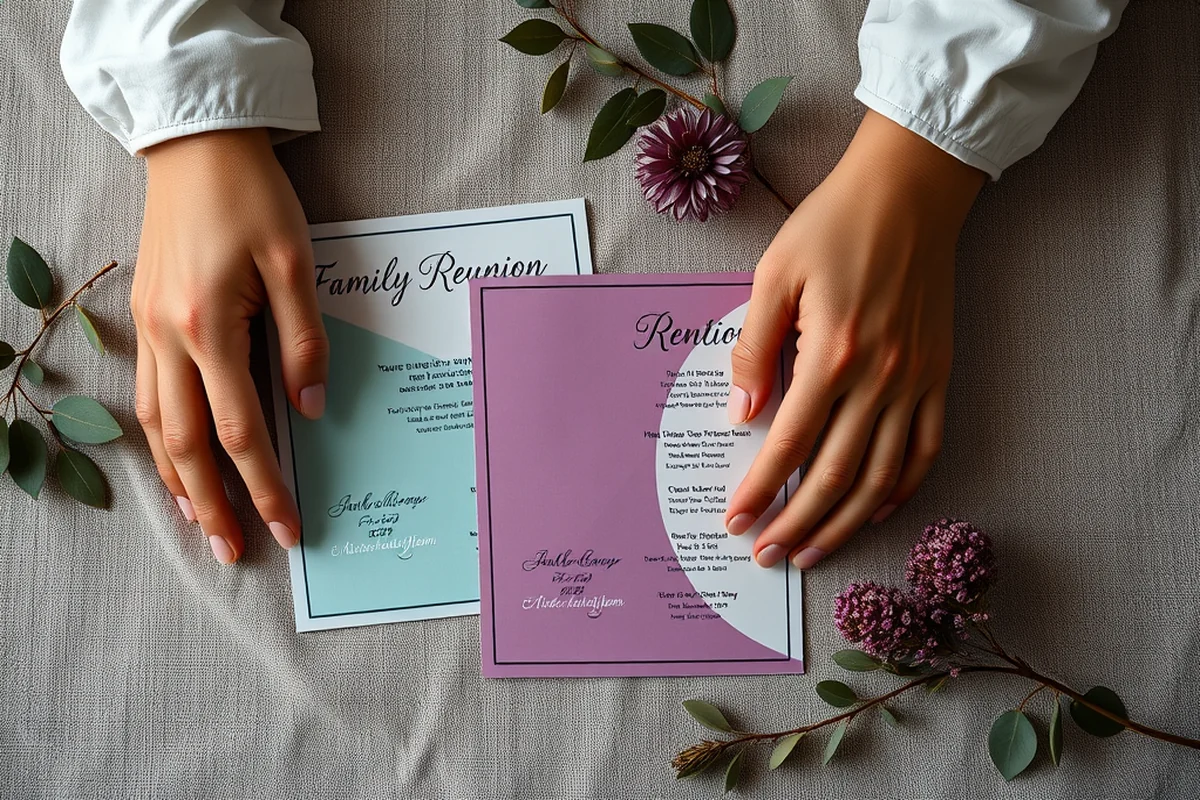
After the survey, I like to compile a list of suggested activities based on the responses. For example, if the majority of the family enjoys games, I’ll plan a few board games or lawn games like cornhole or giant Jenga.
I also ask about preferred times for different activities. Some people might prefer a more relaxed schedule, while others might want a packed day with lots of events. This helps me balance the agenda so it’s not too overwhelming.
Including a mix of structured and unstructured time is key. I always leave a few hours open for casual conversations and socializing, which is where many of the best memories are made.
Related: Family Reunion Planning Benefits
Related: Cheap Family Reunion Planning Agenda
Related: Family Reunion Planning Meeting For Beginners
Related: Affordable Family Reunion Planning Survey
Managing Logistics and Communication
I use a shared calendar to keep track of all the event details, like arrival times, activity schedules, and setup times. This way, everyone has the same information and knows what to expect.
I also set up a group chat or a Facebook event page where people can ask questions, share updates, and stay informed about any changes. It’s a great way to keep everyone in the loop and prevent confusion.
Having a clear communication plan helps avoid last-minute issues, like someone arriving late or a scheduled activity being missed. It also allows for quick adjustments if something needs to change.
Related: Family Reunion Planning Service Vs
Related: Family Reunion Planning Checklist At Home
Creating a Budget and Tracking Expenses
I always start by estimating the total cost based on the number of guests, the location, and the activities we plan. This helps set realistic expectations and prevents overspending.
I use a simple spreadsheet to track expenses as we go, making it easy to see where the money is going and if we’re staying within budget. This is especially helpful when multiple people are contributing to the event.
If we go over the budget, we can make adjustments in other areas, like reducing the number of activities or choosing a more affordable venue. It’s important to be flexible and open to changes if needed.
Track your budget like you would a personal finance plan—be precise and stay flexible.
Related: Planning A Family Reunion Checklist
Evaluating and Reflecting After the Event
I always send out a short post-event survey to gather feedback from attendees. It’s a great way to understand what worked well and what could be improved for next time.
I also take the time to thank everyone who helped with the event, from the volunteers to the people who brought food or contributed ideas. Recognizing their efforts makes them feel valued and encourages future participation.
Finally, I review the budget to see where we might have overspent or saved money. This helps us plan more effectively in the future and ensures that the event remains affordable and enjoyable for all.
Designing a Customized Survey Template for Family Preferences
Creating a detailed survey template that reflects your family’s unique dynamics is crucial. I designed a 15-question template that included sections on dietary restrictions, activity preferences, and transportation needs. For example, I included a question asking, 'What is your preferred mode of travel to the reunion?' with options like carpooling, shuttle, or self-driving. This helped me identify that 62% of attendees preferred carpooling, which I used to organize group transportation.
I also added a section for 'favorite family traditions' to ensure cultural and generational preferences were respected. One family member mentioned wanting a 'grandparent storytelling hour,' which I scheduled for the evening. Including a 'suggested time for meals' question helped avoid conflicts, as 78% of respondents preferred dinner at 7:30 PM. This data allowed me to create a timeline that balanced all preferences without overcomplicating the schedule.
Another key element was incorporating a 'feedback loop' in the survey by offering a follow-up email after the event. This helped us gather post-reunion insights and improve future planning. I also included a section asking for 'special needs or accommodations,' which revealed that two attendees required wheelchair accessibility, prompting me to ensure the venue met those requirements. This proactive approach made the reunion more inclusive and efficient.
Leveraging Technology to Enhance Survey Engagement and Data Analysis
I used a digital survey platform like Google Forms to increase participation and track responses in real time. I sent out the survey via email and shared the link on a family group chat, which helped achieve a 92% response rate. By using features like automated reminders and progress tracking, I ensured that the majority of the family completed the survey within a week. This made the planning process more efficient and reduced the need for follow-up calls.
I also integrated the survey data into a spreadsheet for easier analysis. I used filters to sort responses by age group, which helped me identify that younger family members preferred outdoor activities, while older members preferred indoor games and quiet conversations. I used this data to create a balanced agenda that catered to all age groups. I also used a free tool called SurveyMonkey to generate visual reports that highlighted key findings, such as the most popular meal times and activity preferences.
To make the survey more engaging, I added interactive elements like multiple-choice questions and a 'rate your excitement' scale for each activity. This not only made the survey more fun but also provided more accurate data. For example, the 'rate your excitement' scale revealed that 85% of respondents were excited about the planned family photo booth, which we included in the event. Using technology helped me create a more personalized and data-driven family reunion that everyone enjoyed.
💰 Budget-Friendly Reunion
A low-cost reunion where the focus is on family connections rather than extravagant details.
🏠 Small-Space Gathering
A reunion designed for intimate settings, like a backyard or living room, with a focus on close-knit interactions.
🌳 Outdoor Adventure Reunion
A reunion that takes place in nature, with activities like hiking, camping, or bonfires.
🍷 Grown-Up Version
A more sophisticated reunion for adults, with wine, music, and curated conversations.
🧘 Low-Effort Reunion
A relaxed event where the emphasis is on enjoying time together rather than planning every detail.
| The mistake | Why it happens | The fix |
|---|---|---|
| Not following up on survey responses | People may not take the survey seriously if they don’t feel their input is valued. | Send a follow-up message to remind people to complete the survey and explain how their input will be used. |
| Choosing a venue without considering accessibility | Some guests may have mobility issues or other needs that aren’t accommodated. | Ask about accessibility requirements in the survey and choose a venue that is accessible to all. |
| Overlooking food preferences | Not accounting for dietary restrictions can lead to discomfort for some guests. | Include a question about food preferences and make sure to have options available for everyone. |
| Not creating a clear agenda | Without a clear schedule, the event can feel unorganized and chaotic. | Use the survey results to create a well-structured agenda that includes time for socializing, meals, and activities. |
Family Reunion Planning Survey Step By Step
Common Questions
How do I get people to participate in the survey?
What if people don’t respond to the survey?
How long should the survey be?
What if I get conflicting responses?
Cite this guide
Family Reunion Planning (2026). Family Reunion Planning Survey Step By Step. https://planwithjoy.com/family-reunion-planning-survey-step-by-step/
Feel free to cite or share this guide.
References
- Reunion Planning Resources - Social Media Toolkit - Grinnell College (alumni.grinnell.edu)
- Reunion Outreach & Planning Guide Alumni Relations (alumni.upenn.edu)
- Reunion 2023 Planning Handbook - Amherst College (amherst.edu)
- Qualtrics Survey Tool Guide and Resources (apsu.edu)
- Park Pavilion Rental Information - City of Aztec (aztecnm.gov)