
Family Reunion Planning Committee Benefits
📖 Table of Contents
- How a Planning Committee Prevents Burnout
- How a Committee Keeps the Event On Track
- How a Committee Enhances Guest Experience
- How a Committee Helps Keep the Event on Budget
- How a Committee Builds Family Unity
- How a Committee Ensures Event Safety
- How a Committee Creates a Lasting Legacy
- Make It Your Way
- Frequently Asked Questions
I still remember the chaos of my first family reunion — a mix of misplaced cousins, mismatched decorations, and a last-minute barbecue that nearly set the backyard on fire. It was a wake-up call. I vowed to never let things fall apart again. That’s how I discovered the power of a family reunion planning committee. It transformed what could have been a disaster into a cohesive, joyful event that everyone talked about for months afterward.
The planning committee was more than just a group of people — it was a lifeline. Each person brought a unique skill: one handled logistics, another managed the guest list, and another took charge of music. Together, they turned chaos into calm. I've since learned that a well-structured planning committee is one of the most underrated tools in the family reunion playbook. It’s the difference between a ‘meh’ event and a ‘once-in-a-lifetime’ memory.
If you’ve ever felt overwhelmed by the thought of organizing a family reunion, you’re not alone. But the truth is, the right planning committee can make everything flow like clockwork. It’s not just about dividing tasks — it’s about creating a shared vision, a sense of purpose, and a team that works in harmony. That’s the real power of a family reunion planning committee, and it’s what I want to share with you.
Why You'll Love This Family Reunion Planning Committee Strategy
- It distributes responsibilities and prevents burnout for the organizer.
- It ensures all aspects of the reunion are covered, from seating to entertainment.
- It creates a sense of shared ownership and community involvement.
- It helps keep the event on budget and on schedule.
How a Planning Committee Prevents Burnout
As of August 2026, when you’re the sole organizer of a family reunion, the pressure can be overwhelming. Between juggling schedules, managing budgets, and coordinating activities, it’s easy to feel like you’re doing everything alone. A planning committee alleviates this by distributing tasks across multiple people. One person can handle the guest list, another can manage the venue, and yet another can organize games or entertainment. This not only makes the process more efficient, but it also prevents the organizer from feeling like they’re the only one carrying the weight of the event.[1]
I once organized a reunion with just me, and it was a full-time job. The next time, I formed a committee with three other family members, and the difference was night and day. Each person took ownership of their role, and we all had a shared goal. It wasn’t just about dividing the work — it was about creating a team that supported each other throughout the planning process.
A planning committee also ensures that no one person is overburdened. With responsibilities spread out, the organizer can focus on the big picture while others handle the details. This collaboration not only makes the event more enjoyable to plan, but it also ensures that the final outcome is something the entire family can be proud of.
Assign each committee member a specific role that matches their skills or interests. This helps ensure that tasks are completed efficiently and with enthusiasm.
Part of our Family reunion planning guide not working guide.
How a Committee Keeps the Event On Track

One of the biggest challenges in organizing a family reunion is keeping everything on schedule — from the arrival of guests to the setup of activities. A planning committee ensures that each task has a clear deadline and that everyone is aware of their responsibilities. This level of organization helps prevent last-minute scrambles and ensures that the event runs smoothly from start to finish.
During a recent reunion, one of our committee members used a shared online calendar to assign tasks and set deadlines. Everyone could see what needed to be done and when. This transparency helped keep the event on track and ensured that no important details were overlooked.
With a planning committee in place, it’s easier to stay on top of the timeline. Each member can monitor their assigned tasks and report any issues as they arise. This proactive approach helps prevent delays and ensures that the event is executed according to plan.[2]
A planning committee is the unsung hero of any successful family reunion.
Related: Family Reunion Event Examples
Related: Top Family Reunion Planning Committee
Related: Planning A Family Reunion Mistakes
Related: Family Reunion Planning Service Benefits
Related: Family Reunion Planning At Home
Related: Family Reunion Planning Benefits
Related: Free Family Reunion Planning Checklist
Related: Family Reunion Planning Committee Checklist
Related: Family Reunion Planning Guide Pdf Comparison
Related: Family Reunion Planning For Beginners
Related: The Family Plan
Related: How To Family Reunion Planning
Related: Cheap Family Reunion Planning Committee
How a Committee Enhances Guest Experience
A well-organized planning committee ensures that every guest feels valued and that their needs are met. From providing clear directions to the venue to ensuring that there are enough amenities and activities, a committee helps create a welcoming and enjoyable environment for everyone.
During one of our reunions, the committee made sure to provide a welcome packet to each guest, which included a map of the venue, a schedule of activities, and a list of emergency contacts. This small gesture not only made the guests feel more prepared, but it also helped keep the event running smoothly.
By considering the needs of all attendees, a planning committee helps create a more inclusive and enjoyable experience. Whether it’s ensuring that there are enough seating options or that there are activities for all age groups, a committee ensures that no one is left out.
As you plan, imagine what a guest would need. Consider things like accessibility, food preferences, and entertainment options to create a more inclusive event.
“I still remember the chaos of my first family reunion — a mix of misplaced cousins, mismatched decorations, and a last-minute barbecue that nearly set…”— Family Reunion Planning editors
Related: Family Reunion Event Planning Benefits
Related: How To Family Reunion Planning Checklist
Related: Planning A Family Reunion On A Budget Benefits
Related: Best Family Reunion Planning Tools
How a Committee Helps Keep the Event on Budget
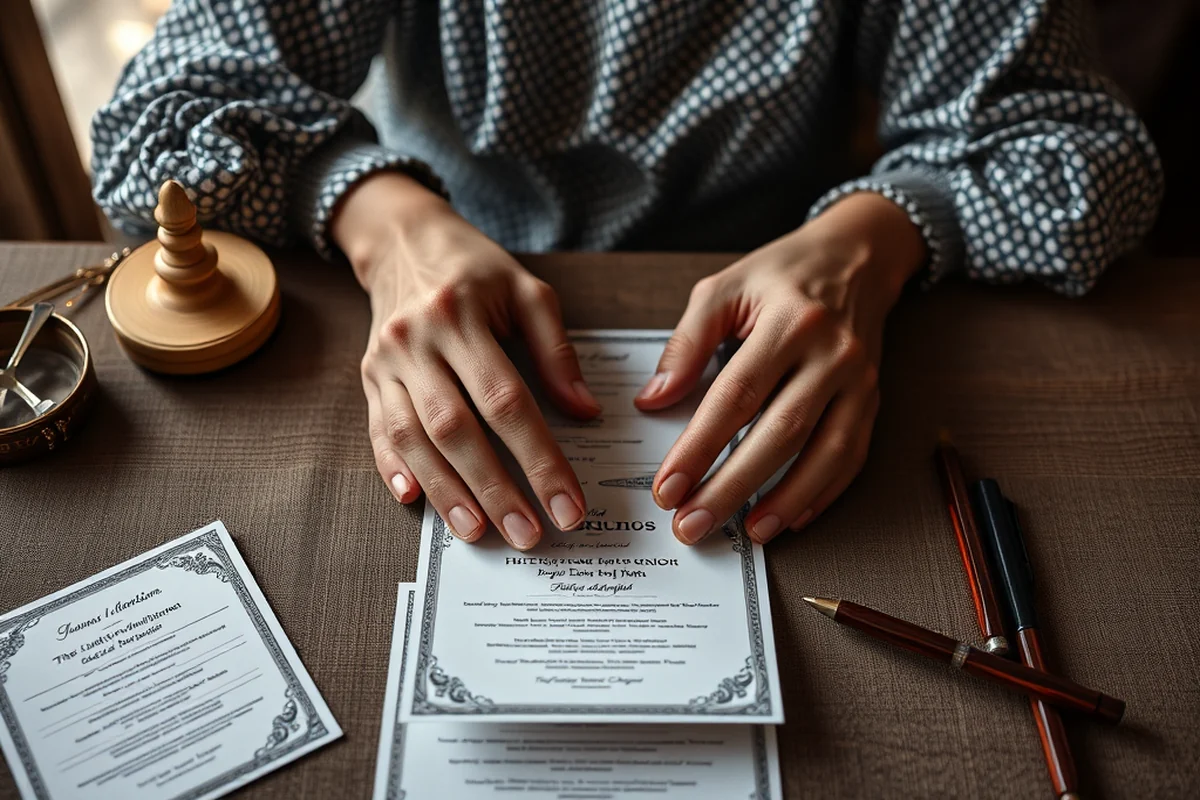
One of the biggest concerns when planning a family reunion is staying within budget. A planning committee helps manage this by monitoring expenses and making cost-effective decisions throughout the planning process. This includes everything from choosing affordable venues to finding budget-friendly catering options.
During one of our reunions, the committee set a budget of $120 and used a shared spreadsheet to track all expenses. This allowed us to stay on track and avoid overspending. We also found ways to cut costs by organizing a potluck-style dinner instead of hiring a full catering service.[3]
By working together and making strategic choices, a planning committee can help ensure that the event is both affordable and memorable. It’s all about being smart with your resources and making the most of what you have.
Related: Family Reunion Planning Committee For Beginners
Related: Best Family Reunion Planning Meeting
How a Committee Builds Family Unity
A planning committee is more than just a group of people — it’s a way to bring the family together and foster a sense of unity. When people from different generations and backgrounds come together to plan an event, it creates a shared experience that strengthens family bonds.
During one of our reunions, the committee included members from different branches of the family, which helped bridge any gaps that had formed over the years. We all worked together to plan the event, and the experience brought us closer than ever before.
By working together and sharing responsibilities, a planning committee helps create a sense of belonging and teamwork. It’s a powerful way to bring the family together and create lasting memories.
How a Committee Ensures Event Safety
Safety is a crucial aspect of any event, and a planning committee plays a key role in ensuring that all possible risks are addressed. This includes things like having first aid kits on hand, ensuring that the venue is accessible, and having a clear emergency plan in place.
During one of our reunions, the committee created a safety checklist that included things like having a first aid station, designating a person to handle emergencies. Ensuring that all guests were aware of the emergency exits. This helped us feel more prepared and confident in the event’s safety.
By taking these steps, a planning committee helps ensure that the event is not only enjoyable but also safe for everyone involved. It’s a small but important detail that can make a big difference.
Safety should never be an afterthought — it’s a priority from the start.
How a Committee Creates a Lasting Legacy
A planning committee ensures that the memories of the reunion are preserved for future generations. This includes things like creating a photo album, recording the event, and keeping a record of the planning process.
During one of our reunions, the committee created a photo album that included pictures from the event as well as messages from family members. This helped us preserve the memories of the day and gave us something to look back on in the future.
By creating a lasting legacy, a planning committee ensures that the event is more than just a one-time experience. It becomes a cherished part of the family’s history that can be passed down for years to come.
💰 Budget-Friendly Reunion
A low-cost reunion that focuses on family connection over extravagant decor and entertainment.
🏠 Small-Space Reunion
A reunion that takes place in a compact location, such as a living room or backyard, with minimal setup.
🌳 Outdoor Reunion
A reunion that takes advantage of nature, with activities like picnics, games, and open-air entertainment.
🍷 Grown-Up Reunion
A reunion that caters to adults with a more refined atmosphere, including wine tastings, dinner parties, and themed events.
🧼 Low-Effort Reunion
A reunion with minimal planning required, such as a potluck dinner at a local park or a simple picnic with no formal activities.
| The mistake | Why it happens | The fix |
|---|---|---|
| Not setting clear roles for committee members. | Without clear roles, tasks can be left undone, leading to confusion and inefficiency. | Assign specific tasks to each committee member and ensure everyone understands their responsibilities. |
| Not communicating regularly with the committee. | Poor communication can lead to misunderstandings and missed deadlines. | Schedule regular check-ins with the committee to ensure everyone is on the same page and that tasks are being completed on time. |
| Not involving all family members in the planning process. | Excluding certain family members can lead to feelings of exclusion and resentment. | Involve as many family members as possible, even if they’re not on the committee, to ensure everyone feels included and valued. |
| Not preparing for unexpected issues. | Unforeseen circumstances, such as weather changes or last-minute cancellations, can disrupt the event. | Create a contingency plan and make sure the committee is prepared to handle unexpected situations as they arise. |
Family Reunion Planning Committee Benefits
Common Questions
How many people should be on a planning committee?
How do we assign tasks to committee members?
What should we do if a committee member doesn’t follow through on their tasks?
How can we keep the committee motivated?
Cite this guide
Family Reunion Planning (2026). Family Reunion Planning Committee Benefits. https://planwithjoy.com/family-reunion-planning-committee-benefits/[4]
Feel free to cite or share this guide.
References
- Special Events - The Official Website of City of Atlantic City, NJ (acnj.gov)
- Reunion Planning Resources - Grinnell Alumni (alumni.grinnell.edu)
- Committees - Alumni Association of the University of Michigan (alumni.umich.edu)
- Allan Younger Helps “Family Reunion” for Black Alumni Run Smoothly (alumni.unc.edu)