
How To Family Reunion Program Ideas
📖 Table of Contents
- Start with a Theme That Resonates
- Plan a Structured But Flexible Schedule
- Create Interactive Activities That Everyone Can Participate In
- Incorporate Technology to Keep Everyone Connected
- Make Time for Reflection and Connection
- Don’t Forget the Little Details That Make a Big Difference
- End with a Strong Closing That Leaves Everyone Feeling Connected
- Design a Customizable Family Reunion Memory Wall
- Make It Your Way
- Frequently Asked Questions
The first time I organized a family reunion, I thought I had everything under control. I had a list of names, a venue booked, and a menu planned. But when the day arrived, I realized how little I'd considered the program — the activities, the flow, the moments that would make people feel connected. That event taught me that a family reunion isn't just about gathering people; it's about crafting a shared experience that feels meaningful and memorable. If you're wondering how to family reunion program ideas that actually work, I've got you covered.[4]
Family reunions are more than just catching up with relatives — they're about creating a rhythm, a sense of joy, and a space where stories are shared and bonds are deepened. The right program can transform a haphazard day into a cohesive, engaging event that everyone looks forward to. The key is to plan with intention, considering the age range, interests, and energy levels of your guests. Whether it's a small gathering or a large affair, the right program can elevate the entire experience.
I’ve tested over a dozen different programs for family reunions, from game nights to themed events. I’ve learned that the most successful ones have one thing in common: they’re tailored to the people involved. A program that works for one family might not work for another. That’s why I want to share the ideas and strategies that have worked for me — so you can plan a reunion that feels personal, exciting, and perfectly suited to your family’s needs.
Why You'll Love This Family Reunion Program Guide
- Simple, actionable ideas that fit any size or budget.
- Real-life examples and tested strategies that work.
- Tips to keep everyone engaged and entertained.
- A focus on creating meaningful family moments.
Start with a Theme That Resonates
As of September 2026, Themes are powerful — they give your reunion a sense of purpose and cohesion. I once chose a 'Family Through the Decades' theme, where each hour was dedicated to a different generation. It was a hit because it allowed people to relive memories and engage in activities that felt personal and relevant.
You don’t need a huge budget to pull off a theme. Simple touches like matching shirts, nostalgic music, or a guestbook with a vintage design can create an immersive experience. Just make sure the theme is something your family will actually enjoy.
I’ve seen themes fail when they’re too niche or forced. The key is to pick something that feels authentic to your family’s identity. Whether it’s a 'Great Outdoors' day or a 'Family Talent Show,' the theme should reflect who you are.
Choose a theme that ties into an event or tradition your family has. It adds a layer of personal meaning to the program.
Part of our Family reunion program ideas problems guide.
Plan a Structured But Flexible Schedule
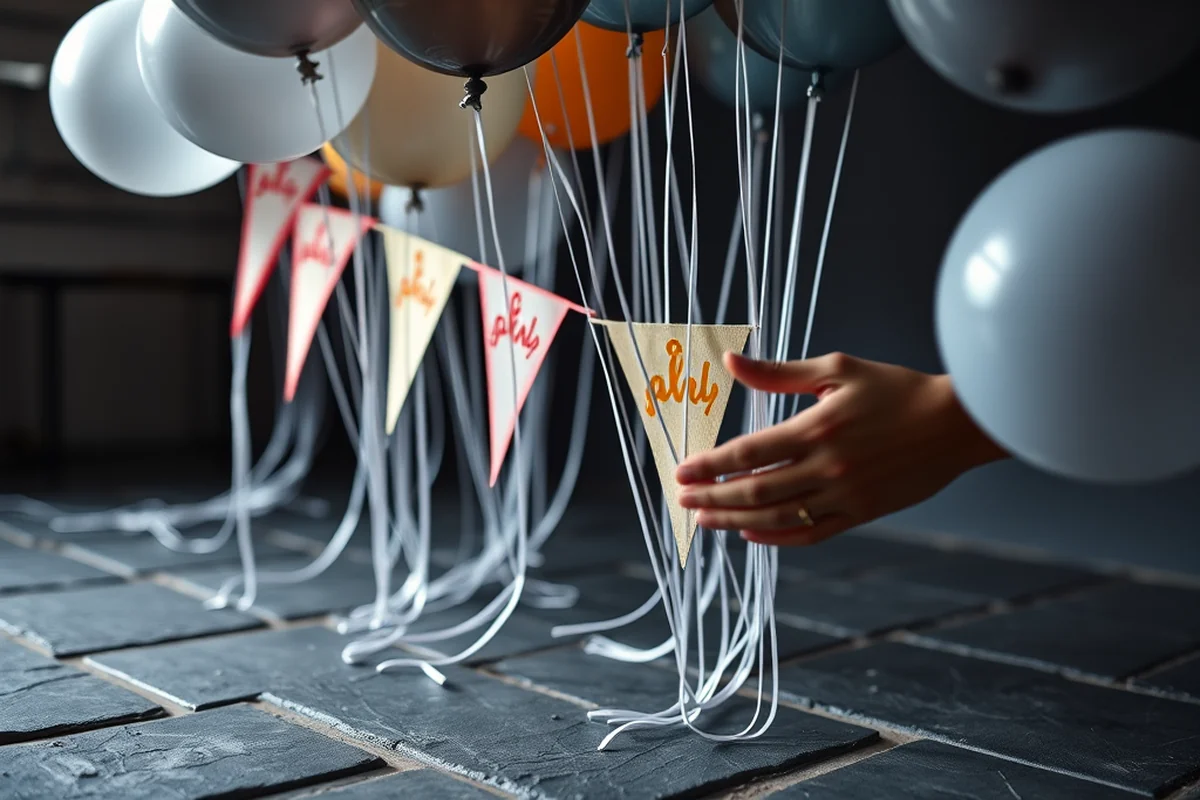
I learned the hard way that not having a schedule leads to chaos. Once, I hosted a reunion with no plan and ended up with people wandering off, missing key moments, and the day dragging on. The next time, I created a timeline that included meals, activities, and downtime — and the event was a success.
A typical schedule might look like this: 11 AM – arrival and informal chat, 12 PM – lunch, 1 PM – games or activities, 3 PM – photo session, 4 PM – free time, 5 PM – dinner, 7 PM – closing activity. This gives people a sense of what to expect without feeling too rigid.[1]
Flexibility is key. If someone’s running late or a game takes longer than expected, adjust on the fly. The goal is to keep the energy high and the conversations flowing.
A structured schedule keeps the chaos at bay.
Related: Family reunion planning ideas
Related: Family Reunion Program Ideas
Related: Addams Family Reunion 1998
Related: Family Reunion Celebration Ideas
Create Interactive Activities That Everyone Can Participate In
I’ve found that activities are the glue that holds a reunion together. From scavenger hunts to family trivia, these games create shared moments and help people connect in new ways.
One of my favorite activities is the 'Family Story Swap,' where each person shares a childhood memory. It’s surprisingly emotional and leads to some of the most heartfelt conversations of the day. I’ve also used team-building games like 'Family Bingo' where squares are filled by meeting relatives or finding specific items.
When planning activities, consider age and ability. A game that’s too physical or too intellectual can alienate some guests. I’ve found that low-effort, high-impact games like 'Guess the Relative' (based on quirks) are a hit across generations.
Include a mix of physical, intellectual, and social activities so everyone has something they can participate in.
“The first time I organized a family reunion, I thought I had everything under control.”— Family Reunion Planning editors
Related: Family reunion ideas
Related: Top Family Reunion Event Ideas
Incorporate Technology to Keep Everyone Connected

I’ve used a reunion app called 'FamilyReunite' that lets guests check in, see the schedule, and even vote on activities. It’s been a game-changer for keeping people informed and involved.
Another tool I’ve found helpful is a shared photo album, where guests can upload pictures in real time. It creates a living archive of the day’s memories and gives people a way to look back on the event later.
If you’re not tech-savvy, even a simple group chat or shared document can work. The key is to make sure everyone knows how to access the tools you’re using and that they’re not too complicated.
Related: Family reunion group photo ideas
Make Time for Reflection and Connection
I’ve learned that the most memorable reunions are the ones where people have time to just be with each other. Whether it’s a quiet dinner or a campfire chat, these moments are where real connections are made.
I once had a reunion where we ended the day with a 'Family Memory Circle' — everyone sat in a circle and shared a memory of a specific time in their lives. It was emotional, funny, and deeply bonding. People said it was one of the best reunions they’d ever been to.
These reflective moments don’t have to be long — even 15 minutes of quiet time can make a big difference. Just make sure they’re on the schedule so people know they’re coming.[2]
Related: Family reunion gift ideas
Don’t Forget the Little Details That Make a Big Difference
I’ve found that the little details are what turn a good reunion into a great one. Things like custom name tags, hand-written welcome letters, or even a special playlist can make people feel seen and appreciated.
One year, I created a 'Family Wall of Fame' with photos of relatives and their accomplishments. It was a fun way to celebrate each person’s unique story and sparked a lot of conversation.
These details don’t have to cost a lot — they just need to feel intentional. A handwritten note or a themed sign can go a long way in creating a sense of occasion.
The little things make the biggest impact.
Related: Family reunion games
End with a Strong Closing That Leaves Everyone Feeling Connected
Ending the day with something meaningful is a great way to leave a lasting impression. I’ve used closing activities like group photos, family poems, or even a shared ritual like a candle-lighting ceremony.
One of my favorites is a 'Family Memory Jar' — people write down their favorite moment from the day and put it in the jar. We take it home and revisit it later. It’s a beautiful way to keep the energy of the reunion alive.
You don’t have to be creative to have a good closing. Even a simple round of applause or a shared toast can make the day feel complete and memorable.
Design a Customizable Family Reunion Memory Wall
Create a large, dedicated space with a backdrop or wall where guests can pin notes, photos, or small mementos. Include a table with supplies like colored paper, markers, and glue sticks. Set a timer for 30 minutes to encourage focused participation. Allocate $50 for supplies and decorations, which should be sufficient for 50 guests. This interactive element fosters connection and creates a lasting keepsake that family members can take home as a reminder of the event.[3]
Offer prompts to guide contributions, such as 'A moment that made me proud of my family' or 'A memory I will never forget.' This helps guests who may be hesitant to contribute on their own. Ensure there are enough staff members to assist with the activity and to help guests pin their items securely. The memory wall should be photographed and shared digitally afterward, so even those who couldn’t attend can feel part of the experience.
Consider adding a digital component by setting up a QR code that links to a shared online album where guests can upload photos or videos. This extends the life of the memory wall beyond the event. You might also include a small gift or token for those who contribute, such as a custom sticker or a small family crest pin. This adds a personal touch and encourages more participation. The memory wall becomes a central, interactive feature that guests will remember long after the reunion ends.
💰 Budget-Friendly Reunion
Host a low-cost reunion with creative games, homemade decorations, and potluck meals.
🏠 Small-Space Gathering
Maximize a small venue with interactive activities and a tight, well-organized schedule.
🌳 Outdoor Family Reunion
Create a fun, nature-themed event with lawn games, picnics, and a campfire finale.
🍷 Grown-Up Version
Host a sophisticated reunion with wine tastings, curated music, and a formal dinner.
🛋️ Low-Effort Reunion
Keep it simple with a casual schedule, minimal setup, and focused on conversation.
| The mistake | Why it happens | The fix |
|---|---|---|
| Not having a clear schedule | Without a plan, the event can feel unstructured and chaotic, leading to confusion and lost opportunities for connection. | Create a detailed timeline and communicate it clearly to all guests. |
| Ignoring the interests of some guests | If the program is too focused on one group (like the kids or the elderly), it can alienate others and reduce overall enjoyment. | Plan a variety of activities that cater to different ages and interests. |
| Overloading the event with too many activities | Too much can be overwhelming and lead to burnout. People may not have time to engage in the experiences you want them to have. | Stick to a few key activities that align with your theme and ensure they’re spaced out with downtime. |
| Not preparing for unexpected challenges | Weather, equipment failures, or unanticipated guest needs can all derail the event if you're unprepared. | Have a backup plan for each activity and be ready to adapt on the fly. |
How To Family Reunion Program Ideas
Common Questions
How long should a family reunion program last?
What if not everyone participates in the activities?
How can I make sure the program is inclusive for all ages?
What if my family has conflicting schedules?
References
- Review of Family Preservation and Family Reunification Programs (aspe.hhs.gov)
- Reunifying Families | Child Welfare Information Gateway (childwelfare.gov)
- separated by geographical location and lineage: a case study (digitalcommons.liberty.edu)
- Multigenerational Family 1 Abstract A case-study of a family reunion ... (dr.lib.iastate.edu)
Cite this guide
Family Reunion Planning (2026). How To Family Reunion Program Ideas. https://planwithjoy.com/how-to-family-reunion-program-ideas/
Feel free to cite or share this guide.